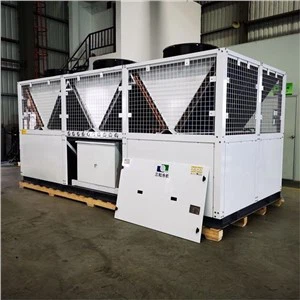
As a supplier of industrial use mini chillers, I understand the importance of proper storage when these units are not in use. Industrial use mini chillers are valuable assets, and how you store them can significantly impact their lifespan, performance, and overall reliability. In this blog post, I'll share some essential tips on how to store an industrial use mini chiller effectively.
1. Pre - storage Preparation
Before storing the industrial use mini chiller, a series of preparatory steps are necessary to ensure its long - term preservation.
Cleaning
First and foremost, thoroughly clean the chiller. Remove any dirt, debris, or dust that has accumulated on the exterior and interior components. Use a soft brush or a compressed air gun to clean hard - to - reach areas. For the condenser coils, a coil cleaner can be used to remove any stubborn dirt or grime. This is crucial because dirt can act as an insulator, reducing the chiller's efficiency and potentially causing overheating issues when it is put back into use.
Fluid Draining
Drain all the fluids from the chiller, including the refrigerant, water, and any other coolants. Refrigerant should be recovered by a certified technician following all environmental regulations. Draining the water prevents freezing and subsequent damage to the pipes and components during storage, especially in cold climates. Make sure to label the drained fluids properly if you plan to reuse them later.
Inspection
Conduct a comprehensive inspection of the chiller. Check for any signs of wear, damage, or leaks. Look at the electrical connections, belts, and hoses. If any parts are damaged, it's advisable to replace them before storage. This way, you can address potential problems early and avoid more significant issues when you need to restart the chiller.
2. Choosing the Right Storage Location
The storage location plays a vital role in maintaining the integrity of the industrial use mini chiller.
Temperature and Humidity
Select a storage area with a stable temperature and humidity level. Extreme temperatures can cause damage to the chiller's components. High humidity can lead to corrosion, while low temperatures can cause fluids to freeze and expand, potentially cracking pipes. A temperature - controlled storage facility is ideal, but if that's not available, try to find a location where the temperature remains between 40°F (4°C) and 80°F (27°C) and the relative humidity is below 60%.
Protection from Elements
The storage area should be protected from the elements. Keep the chiller away from direct sunlight, rain, snow, and wind. Sunlight can cause the plastic and rubber components to degrade over time, while exposure to moisture can lead to rust and corrosion. If the chiller has to be stored outdoors temporarily, use a high - quality, waterproof cover to protect it.
Ventilation
Proper ventilation is also important. Stagnant air can lead to the growth of mold and mildew, which can damage the chiller's electrical and mechanical components. Ensure that the storage area has adequate ventilation to keep the air fresh.


3. Component Protection
During storage, certain components of the industrial use mini chiller need extra protection.
Electrical Components
Cover the electrical panels and connections with plastic or rubber covers to prevent dust and moisture from getting in. Disconnect the power supply to avoid any electrical hazards. You can also apply a thin layer of dielectric grease to the electrical terminals to prevent corrosion.
Moving Parts
To prevent the moving parts from seizing up, lubricate them according to the manufacturer's recommendations. For example, the compressor's bearings and shafts should be lubricated. If the chiller has belts, loosen them to relieve tension and prevent stretching.
Filters
Remove and store the filters in a clean, dry place. Filters can become clogged with dirt and debris during storage, which can reduce the chiller's efficiency when it's restarted. You may also want to replace the filters if they are old or damaged.
4. Regular Maintenance During Storage
Even when the chiller is not in use, regular maintenance is still required.
Visual Checks
Perform visual inspections at regular intervals, say once a month. Check for any signs of damage, corrosion, or pest infestation. Look for any leaks or changes in the appearance of the components. If you notice any issues, address them immediately.
Function Testing
If possible, perform a short function test every few months. This can help to ensure that the chiller's components are still in working order. However, make sure to follow all safety procedures when conducting these tests.
5. Documentation
Keep detailed records of the storage process. Document the date of storage, the steps taken during pre - storage preparation, any maintenance performed during storage, and the results of the function tests. This documentation can be useful when it comes time to restart the chiller, as it provides a clear history of the chiller's condition during storage.
6. Recommissioning the Chiller
When it's time to put the industrial use mini chiller back into service, a proper recommissioning process is essential.
Fluid Refilling
Refill the chiller with the appropriate fluids, such as refrigerant and water. Make sure to follow the manufacturer's specifications for the correct type and amount of fluids. The refrigerant should be charged by a certified technician to ensure proper operation.
System Checks
Conduct a thorough system check before starting the chiller. Check the electrical connections, belts, and hoses again to make sure they are properly installed. Inspect the controls and sensors to ensure they are functioning correctly.
Start - up Procedure
Follow the manufacturer's start - up procedure carefully. Start the chiller gradually and monitor its performance closely. Check for any abnormal noises, vibrations, or temperature changes. If you notice any issues, shut down the chiller immediately and troubleshoot the problem.
At our company, we offer a wide range of industrial use mini chillers, such as the Plastic Industrial Air Cooled Scroll Chiller, Modular Air Cooled Water Chiller, and Air to Water Chiller for Blow Molding Machine. If you have any questions about storing or using these chillers, or if you are interested in purchasing a new chiller, please feel free to contact us for a detailed discussion. Our team of experts is always ready to provide you with the best solutions for your industrial cooling needs.
References
- Manufacturer's manuals for industrial use mini chillers
- Industry standards for chiller storage and maintenance
- Environmental regulations for refrigerant handling