Hey there! As a supplier of water - cooled screw chillers, I often get asked about the differences between water - cooled and air - cooled screw chillers. So, I thought I'd break it down for you in this blog post.
1. Cooling Mechanisms
Let's start with how these two types of chillers actually cool things down.
Air - Cooled Screw Chillers
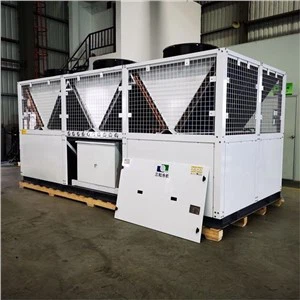
Air - cooled screw chillers are pretty straightforward. They use fans to blow air over the condenser coils. The heat from the refrigerant inside the coils gets transferred to the air, and then the warm air is expelled into the surrounding environment. It's like using a big fan to cool down a hot object. Simple, right? These chillers are great for small to medium - sized applications where water availability might be an issue. They're also relatively easy to install since you don't need a complex water - cooling system.
Water - Cooled Screw Chillers
On the other hand, water - cooled screw chillers use water as the cooling medium for the condenser. The water absorbs the heat from the refrigerant in the condenser coils. This heated water is then pumped to a cooling tower, where it releases the heat into the atmosphere through evaporation. It's a more complex process, but it's also more efficient in many cases. Water has a much higher heat - carrying capacity than air, which means it can remove more heat from the refrigerant in a shorter amount of time. Check out our Water Cooled Screw Chiller with Water Pump and Water Tank for a great example of this technology.
2. Efficiency
Efficiency is a big deal when it comes to chillers, and there are some significant differences between water - cooled and air - cooled models.
Air - Cooled Efficiency
Air - cooled chillers are generally less efficient than water - cooled ones. The efficiency of an air - cooled chiller depends a lot on the ambient air temperature. When it's hot outside, the air can't absorb as much heat from the condenser coils, which means the chiller has to work harder to maintain the desired cooling effect. This leads to higher energy consumption and operating costs. In hot climates, air - cooled chillers may struggle to provide the same level of cooling as water - cooled chillers.
Water - Cooled Efficiency
Water - cooled chillers are more efficient, especially in large - scale applications. Since water can carry more heat, the chiller doesn't have to work as hard to remove the heat from the refrigerant. Additionally, the cooling tower can operate at a relatively constant temperature, regardless of the ambient air temperature. This allows the water - cooled chiller to maintain a high level of efficiency even on hot days. Our Commercial Water Cooled Chiller is designed to be highly efficient, saving you money on energy bills in the long run.


3. Installation and Maintenance
Installation and maintenance are other important factors to consider when choosing between a water - cooled and an air - cooled screw chiller.
Air - Cooled Installation and Maintenance
Air - cooled chillers are easier to install. They usually come in a self - contained unit that can be placed outdoors or in a well - ventilated area. You don't need to install a water - piping system or a cooling tower, which saves time and money during the installation process. Maintenance is also relatively simple. You mainly need to clean the condenser coils regularly to ensure proper airflow. However, if the fans or other components fail, it can be a bit tricky to access and repair them, especially if the chiller is installed on a rooftop.
Water - Cooled Installation and Maintenance
Water - cooled chillers require a more complex installation. You need to install a water - piping system, a cooling tower, and a water - treatment system. The water - treatment system is crucial to prevent scale, corrosion, and biological growth in the water - cooling system, which can reduce the efficiency and lifespan of the chiller. Maintenance of a water - cooled chiller is also more involved. You need to regularly check the water quality, clean the condenser tubes, and maintain the cooling tower. But don't worry! Our Water Cooled Screw Compressor Chiller comes with detailed installation and maintenance instructions to make your life easier.
4. Noise Levels
Noise can be a significant concern, especially in commercial or residential settings.
Air - Cooled Noise
Air - cooled chillers can be quite noisy. The fans used to blow air over the condenser coils generate a lot of noise, especially when they're running at full speed. This can be a problem if the chiller is installed near a building or in a noise - sensitive area. You might need to take additional measures, such as installing noise - reducing enclosures, to minimize the noise impact.
Water - Cooled Noise
Water - cooled chillers are generally quieter. The main source of noise in a water - cooled chiller is the water pump and the cooling tower. However, the noise from these components can be reduced by proper installation and sound - insulation measures. If noise is a major concern for you, a water - cooled chiller might be a better choice.
5. Environmental Impact
In today's world, environmental impact is an important consideration.
Air - Cooled Environmental Impact
Air - cooled chillers consume more energy, which means they have a higher carbon footprint. The increased energy consumption leads to more greenhouse gas emissions. Additionally, the use of fans can contribute to noise pollution.
Water - Cooled Environmental Impact
Water - cooled chillers are more energy - efficient, which results in lower carbon emissions. However, they do use water, and if the water - treatment system is not properly maintained, it can lead to water pollution. But with proper management, the environmental impact of a water - cooled chiller can be minimized.
So, Which One Should You Choose?
The choice between a water - cooled and an air - cooled screw chiller depends on several factors. If you have a small - to medium - sized application, limited water availability, and a lower budget for installation, an air - cooled chiller might be the right choice. However, if you have a large - scale application, need high - efficiency cooling, and are willing to invest in a more complex installation and maintenance process, a water - cooled chiller is the way to go.
As a supplier of water - cooled screw chillers, I'm here to help you make the best decision for your specific needs. If you're interested in learning more about our products or have any questions, feel free to reach out. We can provide you with detailed product information, quotes, and technical support. Let's have a chat about your cooling requirements and see how we can work together to find the perfect solution for you.
References
- ASHRAE Handbook of Refrigeration
- Chiller Manufacturer's Technical Guides
- Industry Reports on Cooling Technologies