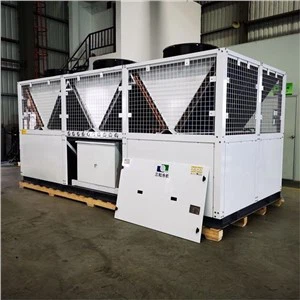
Hey there! As a supplier of scroll chillers, I often get asked whether a scroll chiller can be connected to a building automation system. Well, the short answer is yes, it can! In this blog, I'll dive into the details of how this connection works, the benefits it brings, and why you might want to consider it for your next project.
How Can a Scroll Chiller Connect to a Building Automation System?
Scroll chillers are versatile pieces of equipment, and modern ones are designed with connectivity in mind. Most scroll chillers today come equipped with communication interfaces such as Modbus, BACnet, or LonWorks. These are like the universal languages of the building automation world, allowing the chiller to "talk" to other devices in the system.
Let's say you have an Air-cooled Scroll Modular Chiller. You can use a communication cable to link it to the building automation system's central controller. Once connected, the chiller can send and receive data. For example, it can send information about its operating status, like temperature, pressure, and compressor runtime. On the other hand, it can receive commands from the automation system, such as adjusting the cooling capacity based on the building's demand.
Some scroll chillers also support wireless connectivity options. This can be really handy if you're retrofitting an existing building where running cables might be a hassle. With wireless technology, you can set up the connection quickly and easily, without having to worry about drilling holes or laying wires through walls.
Benefits of Connecting a Scroll Chiller to a Building Automation System
Energy Efficiency
One of the biggest advantages of integrating a scroll chiller with a building automation system is improved energy efficiency. The automation system can monitor the building's cooling needs in real-time and adjust the chiller's operation accordingly. For instance, during off-peak hours when the building doesn't require as much cooling, the system can reduce the chiller's capacity, saving energy and lowering your utility bills.
Let's take an example. Say you have an Air Cooled Scroll Packaged Chiller in an office building. The automation system can detect when employees leave the building in the evening and automatically reduce the chiller's output. This not only saves energy but also extends the lifespan of the chiller by reducing wear and tear.
Remote Monitoring and Control
Another great benefit is the ability to monitor and control the scroll chiller remotely. With a building automation system, you can access the chiller's data from anywhere in the world using a computer, tablet, or smartphone. This means you can keep an eye on its performance, receive alerts if there are any issues, and even make adjustments to the settings without having to be on-site.
Imagine you're on vacation, and you get an alert on your phone that the chiller's temperature is rising. You can quickly log in to the automation system and check the details. If necessary, you can adjust the settings to bring the temperature back under control, preventing potential breakdowns and costly repairs.


Improved Comfort
Connecting the scroll chiller to a building automation system also helps to maintain a more consistent and comfortable indoor environment. The system can ensure that the temperature and humidity levels are within the desired range throughout the building. It can adjust the chiller's operation based on factors such as the number of occupants, the time of day, and the outside weather conditions.
For example, on a hot summer day, the automation system can increase the chiller's cooling capacity to keep the building cool. In the winter, it can reduce the cooling and focus on maintaining a comfortable humidity level. This helps to create a pleasant working or living environment for everyone in the building.
Predictive Maintenance
Building automation systems can also help with predictive maintenance. By continuously monitoring the chiller's performance data, the system can detect early signs of potential problems, such as abnormal temperature or pressure readings. It can then send alerts to the maintenance team, allowing them to take proactive measures before a major breakdown occurs.
This not only saves time and money on repairs but also reduces downtime. For a commercial building, even a short period of chiller downtime can be costly, as it can disrupt business operations. With predictive maintenance, you can avoid these issues and keep your building running smoothly.
Considerations When Connecting a Scroll Chiller to a Building Automation System
Compatibility
Before you start connecting your scroll chiller to a building automation system, it's important to ensure compatibility. Make sure that the chiller's communication protocol is supported by the automation system. If there are any compatibility issues, you may need to use a gateway or a translator device to bridge the gap.
Installation and Setup
Proper installation and setup are crucial for the successful integration of the scroll chiller with the building automation system. It's recommended to hire a professional technician who has experience in working with both chillers and automation systems. They can ensure that the connection is made correctly, the settings are configured properly, and the system is calibrated for optimal performance.
Training
Once the system is installed, it's important to provide training to the building operators and maintenance staff. They need to understand how to use the automation system to monitor and control the scroll chiller effectively. This includes knowing how to read the data, interpret the alerts, and make adjustments to the settings when necessary.
Conclusion
In conclusion, connecting a scroll chiller to a building automation system is a smart move. It offers numerous benefits, including energy efficiency, remote monitoring and control, improved comfort, and predictive maintenance. Whether you're building a new facility or retrofitting an existing one, integrating your scroll chiller with a building automation system can help you save money, increase productivity, and enhance the overall performance of your building.
If you're interested in learning more about our scroll chillers and how they can be integrated with a building automation system, don't hesitate to reach out. We're here to help you find the best solution for your specific needs. Let's start a conversation and see how we can work together to make your building more efficient and comfortable.
References
- ASHRAE Handbook - HVAC Systems and Equipment. American Society of Heating, Refrigerating and Air-Conditioning Engineers.
- Building Automation Systems: A Guide to Design, Installation, and Commissioning. McGraw-Hill Education.