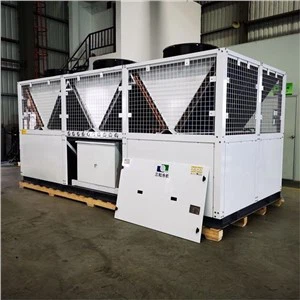
A cooling tower is a crucial component in many industrial and commercial cooling systems, designed to remove heat from water by transferring it to the atmosphere. As a trusted cooling tower supplier, we understand that proper installation is essential for the efficient and reliable operation of these systems. In this blog post, we will discuss the key installation requirements for a cooling tower, ensuring that you can make informed decisions and achieve optimal performance.
Site Selection
The first step in installing a cooling tower is choosing the right location. Several factors need to be considered to ensure the tower operates effectively and safely.
- Ventilation: Adequate ventilation is crucial for the proper functioning of a cooling tower. The tower should be installed in an area with good air circulation to prevent the recirculation of hot, moist air. This can be achieved by providing sufficient clearance around the tower, typically at least 3 - 5 feet on all sides. Avoid installing the tower near walls, buildings, or other obstructions that may impede air flow.
- Accessibility: The site should be easily accessible for maintenance, inspection, and repair. There should be enough space around the tower to allow for the movement of equipment and personnel. Additionally, consider the proximity to water sources and drainage systems, as these are essential for the operation of the cooling tower.
- Structural Support: Cooling towers can be heavy, especially when filled with water. Therefore, the installation site must have a strong and stable foundation capable of supporting the weight of the tower. The foundation should be level and properly reinforced to prevent any settlement or movement that could damage the tower.
Electrical Requirements
Cooling towers require electrical power to operate various components, such as fans, pumps, and control systems. When installing a cooling tower, it is important to ensure that the electrical supply meets the following requirements:
- Voltage and Amperage: The electrical supply should match the voltage and amperage requirements of the cooling tower. Consult the manufacturer's specifications to determine the correct electrical ratings.
- Circuit Protection: Proper circuit protection devices, such as circuit breakers or fuses, should be installed to prevent electrical overloads and short circuits. These devices should be sized appropriately for the electrical load of the cooling tower.
- Grounding: The cooling tower must be properly grounded to protect against electrical shock and to ensure the safe operation of the electrical system. Follow the manufacturer's instructions and local electrical codes for grounding requirements.
Water Supply and Drainage
Water is the primary medium for heat transfer in a cooling tower. Therefore, a reliable water supply and proper drainage system are essential for its operation.
- Water Quality: The quality of the water used in the cooling tower can significantly affect its performance and lifespan. The water should be free from contaminants, such as dirt, debris, and chemicals, which can cause scaling, corrosion, and biological growth. Consider installing water treatment equipment, such as filters, softeners, and chemical dosing systems, to maintain the water quality.
- Water Flow Rate: The water flow rate to the cooling tower should be sufficient to meet the design requirements. The flow rate is typically determined by the cooling load and the type of cooling tower. Consult the manufacturer's specifications to ensure that the water flow rate is appropriate.
- Drainage System: A proper drainage system is necessary to remove the excess water from the cooling tower. The drainage system should be designed to prevent any standing water, which can lead to the growth of bacteria and other microorganisms. Ensure that the drainage pipes are properly sized and sloped to allow for efficient water flow.
Assembly and Installation
Once the site is prepared and all the necessary utilities are in place, it is time to assemble and install the cooling tower.
- Follow the Manufacturer's Instructions: The manufacturer's installation instructions are the most important resource for assembling and installing the cooling tower. These instructions provide detailed information on the proper installation procedures, including the sequence of assembly, the tightening torque of bolts, and the alignment of components.
- Use Proper Tools and Equipment: Ensure that you have all the necessary tools and equipment for the installation. This may include wrenches, screwdrivers, hoists, and lifting equipment. Using the proper tools and equipment will ensure that the installation is done correctly and safely.
- Inspect the Components: Before assembling the cooling tower, carefully inspect all the components for any damage or defects. Replace any damaged or defective components before proceeding with the installation.
Commissioning and Testing
After the cooling tower is installed, it is important to commission and test the system to ensure that it is operating properly.
- Startup Procedures: Follow the manufacturer's startup procedures to initialize the cooling tower. This may include filling the tower with water, starting the pumps and fans, and adjusting the control settings.
- Performance Testing: Conduct performance testing to verify that the cooling tower is achieving the design specifications. This may include measuring the water temperature, flow rate, and cooling capacity. Compare the test results with the manufacturer's specifications to ensure that the cooling tower is operating efficiently.
- Safety Checks: Perform safety checks to ensure that all the safety features of the cooling tower are working properly. This may include checking the emergency stop buttons, the safety guards, and the electrical grounding.
Maintenance and Monitoring
Proper maintenance and monitoring are essential for the long-term performance and reliability of a cooling tower.
- Regular Maintenance: Establish a regular maintenance schedule to keep the cooling tower in good condition. This may include cleaning the tower, inspecting the components for wear and tear, and replacing any damaged or worn parts.
- Monitoring Systems: Install monitoring systems to track the performance of the cooling tower. These systems can provide real-time data on the water temperature, flow rate, and other operating parameters. Use this data to identify any potential problems and take corrective actions before they cause significant damage.
At our company, we offer a wide range of cooling towers to meet the diverse needs of our customers. Our Square Cross-flow Cooling Tower is designed for efficient heat transfer and low noise operation. The Round Cooling Tower is a popular choice for its compact design and high cooling capacity. And our Counterflow Closed Cooling Tower provides a closed-loop system for enhanced water conservation and environmental protection.
If you are in the market for a cooling tower or need assistance with installation, maintenance, or troubleshooting, we invite you to contact us for a consultation. Our team of experts is ready to help you find the right solution for your cooling needs.


References
- Cooling Tower Institute. (2023). Cooling Tower Installation and Maintenance Guidelines.
- ASHRAE Handbook. (2023). HVAC Systems and Equipment.