How often should a Scroll Chiller be maintained?
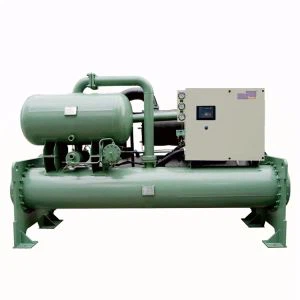
As a supplier of scroll chillers, I understand the significance of proper maintenance in ensuring the efficient and long - lasting operation of these essential cooling systems. Scroll chillers are widely used in various industries and commercial buildings due to their reliability, energy efficiency, and compact design. However, to keep them performing at their best, regular maintenance is crucial. In this blog, I will discuss how often a scroll chiller should be maintained and why it matters.
The Importance of Regular Maintenance
Before delving into the maintenance frequency, let's first understand why regular maintenance is so important for scroll chillers.
- Optimal Performance: Regular maintenance helps to keep the chiller operating at its peak efficiency. Over time, dust, dirt, and debris can accumulate on the condenser coils, reducing heat transfer efficiency. By cleaning these components regularly, the chiller can maintain its cooling capacity and consume less energy.
- Extended Lifespan: Just like any other mechanical equipment, scroll chillers have a limited lifespan. However, proper maintenance can significantly extend this lifespan. By regularly checking and replacing worn - out parts, lubricating moving components, and ensuring proper refrigerant levels, you can prevent major breakdowns and costly repairs, thus getting more years of service from your chiller.
- Reduced Downtime: Unplanned breakdowns can be extremely disruptive to business operations. Regular maintenance helps to identify and address potential issues before they turn into major problems, reducing the likelihood of unexpected downtime. This is especially important for industries where continuous cooling is essential, such as data centers and hospitals.
- Safety: A well - maintained scroll chiller is a safer chiller. Regular inspections can detect leaks, electrical issues, and other safety hazards, ensuring the safety of the operators and the surrounding environment.
General Maintenance Frequency Guidelines
The frequency of scroll chiller maintenance depends on several factors, including the type of chiller, its usage, and the operating environment. Here are some general guidelines:
Daily Maintenance
- Visual Inspection: A quick visual inspection should be carried out daily. Check for any signs of leaks, unusual noises, or vibrations. Look at the control panel to ensure that all the operating parameters, such as temperature and pressure, are within the normal range.
- Check Refrigerant Levels: Although significant changes in refrigerant levels are not likely to occur on a daily basis, a quick check can help to detect any sudden drops that may indicate a leak.
Weekly Maintenance
- Clean Air Filters: If the chiller has air filters, they should be cleaned or replaced weekly. Clogged air filters can restrict airflow, reducing the chiller's efficiency and increasing the risk of overheating.
- Inspect Condenser Fans: Check the condenser fans to ensure that they are operating smoothly. Look for any signs of damage or wear on the fan blades and motor.
Monthly Maintenance
- Lubricate Moving Parts: Moving parts, such as the compressor and fan motors, should be lubricated monthly. Proper lubrication reduces friction and wear, extending the lifespan of these components.
- Check Electrical Connections: Inspect all electrical connections for tightness and signs of corrosion. Loose or corroded connections can cause electrical problems and pose a safety hazard.
Quarterly Maintenance
- Clean Condenser Coils: The condenser coils should be cleaned quarterly. Over time, dirt and debris can accumulate on the coils, reducing their heat transfer efficiency. Cleaning the coils can improve the chiller's performance and energy efficiency.
- Test Safety Controls: All safety controls, such as high - pressure and low - pressure switches, should be tested quarterly to ensure that they are functioning properly.
Annual Maintenance
- Full System Inspection: An annual full - system inspection should be carried out by a qualified technician. This includes a detailed inspection of all the components, such as the compressor, condenser, evaporator, and control system.
- Calibrate Sensors and Controls: The sensors and controls should be calibrated annually to ensure accurate operation. This helps to maintain the chiller's performance and energy efficiency.
- Refrigerant Analysis: A refrigerant analysis should be performed annually to check for any contaminants or degradation. If necessary, the refrigerant should be replaced or re - charged.
Factors Affecting Maintenance Frequency
As mentioned earlier, several factors can affect the maintenance frequency of a scroll chiller:
Usage
- Continuous Operation: Chillers that operate continuously, such as those in data centers, require more frequent maintenance than those that are used intermittently. Continuous operation puts more stress on the components, increasing the likelihood of wear and tear.
- High - Load Operation: If the chiller is operating at high loads for extended periods, it will also require more frequent maintenance. High - load operation generates more heat and stress on the components, accelerating their deterioration.
Operating Environment
- Dirty or Harsh Environments: Chillers located in dirty or harsh environments, such as industrial areas or construction sites, will need more frequent maintenance. The presence of dust, dirt, and chemicals can cause more rapid fouling of the components and increase the risk of corrosion.
- High - Humidity Environments: In high - humidity environments, there is a greater risk of mold and mildew growth on the chiller components. This can affect the chiller's performance and air quality, requiring more frequent cleaning and maintenance.
Specific Types of Scroll Chillers
The maintenance frequency can also vary depending on the specific type of scroll chiller. For example, Air - cooled Scroll Modular Chiller and Air Cooled Scroll Packaged Chiller have different maintenance requirements.
- Air - cooled Scroll Modular Chillers: These chillers are designed to be modular, which allows for easy installation and expansion. They typically require more frequent cleaning of the air - cooled condensers due to their exposure to the outdoor environment. The modular design also means that individual components can be more easily accessed for maintenance.
- Air Cooled Scroll Packaged Chillers: These chillers are pre - packaged units that are often used in smaller commercial applications. They are generally more compact and may have less space for component access. However, the basic maintenance requirements, such as cleaning filters and checking refrigerant levels, are similar to other types of scroll chillers.
Conclusion
In conclusion, the frequency of scroll chiller maintenance depends on a variety of factors. By following the general guidelines and adjusting the maintenance schedule according to the specific circumstances, you can ensure that your scroll chiller operates efficiently, safely, and reliably for many years.
If you are in the market for a new scroll chiller or need advice on maintaining your existing one, we are here to help. Our team of experts has extensive experience in the field of scroll chillers and can provide you with the best solutions for your cooling needs. Contact us to discuss your requirements and start a procurement negotiation.


References
- ASHRAE Handbook - HVAC Systems and Equipment
- Manufacturer's Manuals for Scroll Chillers