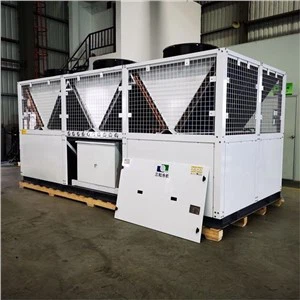
As a supplier of Screw Compressor Chillers, I understand the critical importance of having well - defined emergency shutdown procedures. Screw compressor chillers are widely used in various industrial and commercial applications, such as in large - scale manufacturing plants, data centers, and commercial buildings for temperature control. In this blog, I will delve into the emergency shutdown procedures for a screw compressor chiller, ensuring that operators and maintenance personnel are well - informed about how to respond in critical situations.
Understanding the Screw Compressor Chiller
Before we discuss the emergency shutdown procedures, it's essential to understand the basic components and operation of a screw compressor chiller. A screw compressor chiller consists of a screw compressor, evaporator, condenser, expansion valve, and a control system. The screw compressor is the heart of the chiller, compressing the refrigerant gas to increase its pressure and temperature. The evaporator absorbs heat from the chilled water, while the condenser releases the heat to the cooling water or air. The expansion valve regulates the flow of refrigerant into the evaporator.
The control system monitors various parameters such as temperature, pressure, and flow rate to ensure the efficient and safe operation of the chiller. However, there are situations where an emergency shutdown may be required to prevent damage to the equipment or ensure the safety of personnel.
Situations Requiring Emergency Shutdown
There are several scenarios that may call for an emergency shutdown of a screw compressor chiller:
High - Pressure Alarm
If the discharge pressure of the compressor exceeds the set limit, it can indicate a problem with the condenser, such as a blockage or a malfunctioning cooling system. High pressure can cause serious damage to the compressor, such as overheating and mechanical failure.
Low - Pressure Alarm
A low - pressure alarm on the suction side of the compressor may be a sign of a refrigerant leak, a clogged filter, or a malfunctioning expansion valve. Low pressure can lead to reduced cooling capacity and potential damage to the compressor due to insufficient lubrication.
Overheating
If the compressor motor or other critical components overheat, it can pose a fire hazard and cause permanent damage to the equipment. Overheating can be caused by factors such as poor ventilation, excessive load, or a malfunctioning cooling system.
Electrical Faults
Electrical faults, such as short circuits or ground faults, can occur in the chiller's control system or electrical components. These faults can lead to equipment damage and pose a safety risk to personnel.
Safety Concerns
In case of a fire, gas leak, or other safety hazards in the vicinity of the chiller, an emergency shutdown is necessary to prevent further damage and ensure the safety of everyone in the area.
Emergency Shutdown Procedures
Step 1: Identify the Problem
The first step in an emergency shutdown is to quickly identify the problem. This can be done by checking the control panel for alarm indicators, monitoring the pressure and temperature gauges, and observing any abnormal noises or vibrations from the chiller.


Step 2: Isolate the Power
Once the problem is identified, the next step is to isolate the power supply to the chiller. This can be done by switching off the main circuit breaker or disconnecting the power cable. Make sure to follow the proper electrical safety procedures to avoid electrical shock.
Step 3: Shut Down the Compressor
After isolating the power, the compressor should be shut down immediately. This can usually be done by pressing the emergency stop button on the compressor control panel. The emergency stop button will cut off the power to the compressor motor and stop its operation.
Step 4: Close the Valves
Close all the refrigerant valves, including the suction and discharge valves of the compressor, as well as the isolation valves of the evaporator and condenser. Closing the valves will prevent the refrigerant from flowing and minimize the risk of further damage.
Step 5: Notify Maintenance Personnel
Once the chiller is safely shut down, notify the maintenance personnel or technical support team. Provide them with detailed information about the problem, including the alarm indicators, pressure and temperature readings, and any other relevant observations. The maintenance personnel will be able to diagnose the problem and take the necessary steps to repair the chiller.
Step 6: Document the Incident
It is important to document the emergency shutdown incident, including the date, time, cause of the shutdown, and the actions taken. This documentation will be useful for future reference and for improving the maintenance and operation of the chiller.
Preventive Measures
To minimize the need for emergency shutdowns, it is important to implement preventive maintenance measures. Regular maintenance, such as cleaning the condenser and evaporator coils, checking the refrigerant levels, and inspecting the electrical components, can help prevent many common problems.
In addition, operators should be trained to monitor the chiller's performance and identify potential problems early. By following the recommended operating procedures and safety guidelines, the risk of emergency situations can be significantly reduced.
Conclusion
As a supplier of Screw Compressor Chillers, I emphasize the importance of having well - defined emergency shutdown procedures. These procedures are crucial for ensuring the safety of personnel and preventing damage to the equipment. By understanding the situations that require an emergency shutdown and following the proper procedures, operators can respond quickly and effectively in critical situations.
If you are in the market for a reliable and efficient screw compressor chiller, we offer a wide range of products, including Screw Type Commercial Water Chiller and Industrial Use Screw Water Chiller 2 Compressor. Our chillers are designed to meet the highest standards of quality and performance. If you have any questions or would like to discuss your specific requirements, please feel free to contact us. We look forward to the opportunity to serve you and help you find the perfect chiller solution for your needs.
References
- ASHRAE Handbook - HVAC Systems and Equipment
- Manufacturer's operating and maintenance manuals for screw compressor chillers
- Industry standards and guidelines for refrigeration and air - conditioning systems