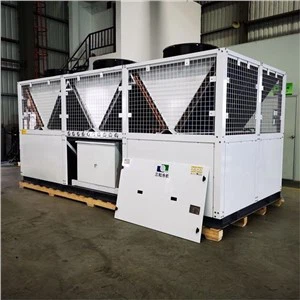
How to Start up an Air - cooled Scroll Chiller Safely
As a supplier of air - cooled scroll chillers, I understand the importance of safe startup procedures. An air - cooled scroll chiller is a crucial piece of equipment in many industrial and commercial applications, providing reliable cooling. However, starting it up incorrectly can lead to various problems, including equipment damage and safety hazards. In this blog, I will share some essential steps and considerations for safely starting up an air - cooled scroll chiller.
Pre - startup Checks
Before you even think about starting the chiller, a series of pre - startup checks must be carried out. These checks are designed to ensure that the chiller is in good working condition and that all associated systems are ready for operation.
-
Visual Inspection
- Examine the chiller unit for any visible signs of damage, such as bent fins on the condenser, loose wiring, or leaks. Check the refrigerant lines for any signs of corrosion or physical damage.
- Inspect the fan blades for any signs of wear or imbalance. A damaged fan blade can cause vibrations and reduce the efficiency of the chiller.
- Look for any debris or obstructions around the chiller, especially in the intake and exhaust areas. Blocked airflow can lead to overheating and poor performance.
-
Electrical System Check
- Verify that the power supply to the chiller is properly connected and that the voltage is within the specified range. Incorrect voltage can damage the electrical components of the chiller.
- Check all electrical connections for tightness. Loose connections can cause arcing and lead to electrical failures.
- Ensure that all circuit breakers and fuses are in the correct position and are not tripped.
-
Refrigerant System Check
- Check the refrigerant level in the system. Low refrigerant levels can cause the chiller to operate inefficiently and may lead to compressor damage.
- Look for any signs of refrigerant leaks. You can use a refrigerant leak detector to identify any leaks in the system. A refrigerant leak not only affects the performance of the chiller but also has environmental implications.
- Ensure that all refrigerant valves are in the correct position. Incorrect valve settings can disrupt the flow of refrigerant and cause operational problems.
-
Water System Check (if applicable)
- If the chiller is a water - cooled model or has a water - related component, check the water flow and pressure. Low water flow can cause the chiller to overheat, while high pressure can damage the water pipes and other components.
- Inspect the water filters for any clogs. Clean or replace the filters if necessary to ensure proper water flow.
- Check the water temperature and make sure it is within the acceptable range for the chiller's operation.
Startup Procedure
Once all the pre - startup checks are completed and everything is in order, you can proceed with the startup procedure.
-
Power On the Chiller


- Switch on the main power supply to the chiller. This will energize the control panel and other electrical components.
- Allow the control panel to initialize. During this time, the control panel will perform self - tests and check the status of various sensors and components.
-
Start the Fans
- Start the condenser fans. The fans are responsible for dissipating heat from the refrigerant in the condenser. Proper airflow through the condenser is essential for the efficient operation of the chiller.
- Monitor the fan operation for any abnormal noises or vibrations. If you notice any problems, stop the fans immediately and investigate the cause.
-
Start the Compressor
- Once the fans are running smoothly, start the compressor. The compressor is the heart of the chiller, and it compresses the refrigerant to increase its temperature and pressure.
- Observe the compressor's operation. Check the current draw, temperature, and pressure readings on the control panel. These readings can provide valuable information about the compressor's performance.
- Be aware that the compressor may take a few minutes to reach its normal operating conditions. During this time, the refrigerant pressure and temperature will gradually stabilize.
-
Monitor the Chiller Operation
- Continuously monitor the chiller's operation for the first few hours after startup. Check the temperature and pressure readings regularly to ensure that they are within the normal range.
- Look for any signs of abnormal operation, such as unusual noises, vibrations, or fluctuations in the readings. If you notice any problems, take appropriate action immediately.
Safety Precautions
Safety should always be a top priority when starting up an air - cooled scroll chiller. Here are some important safety precautions to follow:
- Wear Personal Protective Equipment (PPE)
- Wear safety glasses, gloves, and appropriate clothing when working around the chiller. This will protect you from any potential hazards, such as refrigerant leaks, electrical shocks, or moving parts.
- Follow Manufacturer's Instructions
- Always refer to the manufacturer's startup and operation manual for specific instructions and guidelines. The manual contains important information about the chiller's features, safety requirements, and maintenance procedures.
- Avoid Overloading the Chiller
- Do not operate the chiller beyond its rated capacity. Overloading the chiller can cause excessive wear and tear on the components and may lead to premature failure.
- Keep the Area Clean and Organized
- Keep the area around the chiller clean and free of clutter. This will prevent any obstructions to the airflow and reduce the risk of accidents.
Our Product Range
As a leading supplier of air - cooled scroll chillers, we offer a wide range of products to meet different customer needs. Our Air Cooled Scroll Type Laser Chiller is specifically designed for laser applications, providing precise temperature control. The Air to Water Chiller for Blow Molding Machine is ideal for blow molding processes, ensuring efficient cooling and high - quality production. And our Industrial Air Cooled Scroll Chillers are suitable for various industrial applications, offering reliable performance and energy efficiency.
Contact Us for Procurement
If you are interested in our air - cooled scroll chillers or have any questions about starting up and operating them safely, we encourage you to contact us for procurement and further discussions. Our team of experts is ready to provide you with professional advice and support to ensure that you get the most suitable chiller for your needs.
References
- ASHRAE Handbook of Refrigeration.
- Manufacturer's operation and maintenance manuals for air - cooled scroll chillers.