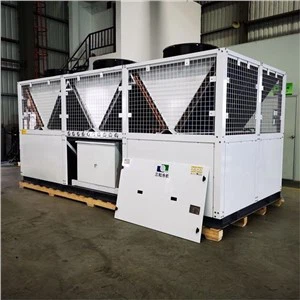
As a supplier of Precision Air Conditioners, I understand the significance of minimizing vibration during installation. Vibration in precision air conditioners can lead to a range of issues, from premature wear and tear of components to interference with sensitive equipment in the surrounding environment. In this blog, I will share some key strategies and best practices on how to install a precision air conditioner to minimize vibration.
1. Site Selection and Preparation
The first step in minimizing vibration starts with the right site selection. A stable and level foundation is crucial for the proper installation of a precision air conditioner. The floor should be able to support the weight of the unit and any associated equipment without flexing or vibrating.
- Level Surface: Before installing the air conditioner, ensure that the floor is perfectly level. Even a slight incline or unevenness can cause the unit to vibrate as it operates. Use a spirit level to check the floor and make any necessary adjustments. If the floor is not level, you can use shims to level the unit.
- Isolation from Other Equipment: Place the precision air conditioner away from other vibrating equipment such as generators, compressors, or large machinery. These can transmit vibrations through the floor or air, which can be absorbed by the air conditioner and cause additional vibration. A buffer zone of at least a few meters can help reduce the impact of external vibrations.
2. Vibration Isolation Mounts
Vibration isolation mounts are essential components in minimizing the transfer of vibration from the air conditioner to the surrounding structure. These mounts are designed to absorb and dampen vibrations, preventing them from spreading.
- Types of Mounts: There are several types of vibration isolation mounts available, including rubber mounts, spring mounts, and neoprene mounts. Rubber mounts are commonly used due to their affordability and effectiveness in reducing low - frequency vibrations. Spring mounts are more suitable for heavier units and can handle higher loads and larger amplitudes of vibration. Neoprene mounts offer a combination of flexibility and durability, making them suitable for a wide range of applications.
- Proper Installation: When installing vibration isolation mounts, follow the manufacturer's instructions carefully. Ensure that the mounts are correctly sized and rated for the weight and vibration characteristics of the air conditioner. Mounts should be evenly distributed under the unit to provide uniform support and vibration isolation.
3. Pipework and Ductwork Installation
The installation of pipework and ductwork can also have a significant impact on vibration levels. Improperly installed pipes and ducts can act as conduits for vibration, transmitting it throughout the system.
- Flexible Connectors: Use flexible connectors in the pipework and ductwork to isolate the air conditioner from the rest of the system. Flexible connectors can absorb vibrations and prevent them from being transferred to the building structure. They also allow for some movement in the pipes and ducts, which can help prevent stress and damage caused by vibration.
- Secure Mounting: Ensure that the pipework and ductwork are securely mounted to the building structure. Loose or vibrating pipes and ducts can create additional noise and vibration. Use appropriate hangers and brackets to support the pipes and ducts at regular intervals. Make sure that the hangers and brackets are designed to absorb vibration and prevent it from being transferred to the building.
4. Unit Alignment and Balancing
Proper alignment and balancing of the precision air conditioner are essential for minimizing vibration. Misaligned or unbalanced components can cause uneven forces, leading to increased vibration.
- Compressor and Fan Alignment: The compressor and fan are the main sources of vibration in an air conditioner. Ensure that these components are properly aligned during installation. Misaligned compressors or fans can cause excessive vibration, which can damage the unit and reduce its efficiency. Use alignment tools to check and adjust the alignment of these components.
- Balancing: Balancing the rotating components of the air conditioner, such as the fan blades, is also important. Unbalanced fan blades can cause uneven forces and vibration. Have the fan blades balanced by a professional technician using specialized equipment.
5. Maintenance and Monitoring
Regular maintenance and monitoring are crucial for ensuring that the vibration levels of the precision air conditioner remain within acceptable limits.
- Regular Inspections: Conduct regular inspections of the air conditioner to check for any signs of vibration - related issues. Look for loose or damaged components, such as vibration isolation mounts, pipes, or ductwork. Tighten any loose bolts or screws and replace any damaged parts immediately.
- Vibration Monitoring: Use vibration monitoring equipment to measure the vibration levels of the air conditioner. This can help detect any changes in vibration patterns over time, which may indicate a potential problem. Set up a regular monitoring schedule and keep records of the vibration levels to track the performance of the unit.
Conclusion
Installing a precision air conditioner to minimize vibration requires careful planning, proper installation techniques, and regular maintenance. By following the strategies outlined above, you can ensure that your precision air conditioner operates smoothly and efficiently, with minimal vibration.


If you are interested in purchasing a precision air conditioner or need further advice on installation and vibration reduction, we are here to help. Our company offers a wide range of Constant Temperature and Humidity Air Conditioner, Laboratory Use Constant Temperature and Humidity Air Conditioner, and Integrated HVAC Precision Air Conditioning solutions to meet your specific needs. Contact us today to start a procurement discussion.
References
- ASHRAE Handbook - HVAC Systems and Equipment. American Society of Heating, Refrigerating and Air - Conditioning Engineers.
- Manufacturer's installation and operation manuals for precision air conditioners.