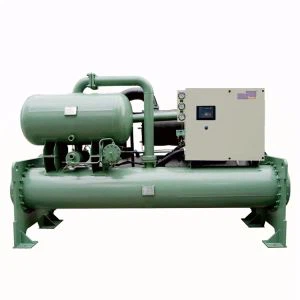
As a supplier of low temperature chillers, I've seen firsthand how crucial proper maintenance is for these machines. Low temperature chillers are used in a wide range of industries, from food and beverage to pharmaceuticals, and they play a vital role in keeping processes running smoothly. In this blog post, I'll share some insights on the kind of maintenance required for a low temperature chiller.


Regular Inspections
First off, regular inspections are a must. You can't just set your chiller up and forget about it. I recommend doing a visual inspection at least once a week. Check for any signs of leaks, whether it's refrigerant, water, or glycol. Leaks can not only lead to a loss of efficiency but also pose safety risks. Look around the pipes, connections, and the chiller unit itself. If you see any puddles or signs of moisture, that's a red flag.
Another thing to inspect is the electrical components. Make sure all the wires are properly connected and there are no signs of fraying or damage. Loose or damaged wires can cause electrical problems, which can be dangerous and also lead to chiller breakdowns.
Cleaning
Cleaning is also super important. The condenser coils need to be kept clean. Over time, dirt, dust, and debris can accumulate on the coils, which reduces the chiller's ability to transfer heat. This means the chiller has to work harder to achieve the desired temperature, leading to higher energy consumption and potentially shorter equipment lifespan. You can use a soft brush or compressed air to clean the coils. Do this at least once a month, or more often if the chiller is in a dusty environment.
The evaporator also needs cleaning. The evaporator is where the refrigerant absorbs heat from the process fluid. If it gets dirty, the heat transfer efficiency will drop. You can use a mild detergent and water solution to clean the evaporator, but make sure to follow the manufacturer's instructions.
Refrigerant Level Check
The refrigerant is the lifeblood of the chiller. Without the right amount of refrigerant, the chiller won't work properly. You should check the refrigerant level regularly. This is a bit more technical, and it's often best to have a professional do it. But if you're experienced, you can use a pressure gauge to check the refrigerant pressure. If the pressure is too low, it could mean there's a refrigerant leak.
If you find that the refrigerant level is low, don't just add more refrigerant. First, you need to find and fix the leak. Otherwise, you'll just be wasting refrigerant, and the problem will keep coming back.
Lubrication
Some parts of the chiller, like the compressor, need lubrication. Lubrication helps reduce friction and wear on the moving parts, which extends the life of the equipment. Check the lubricant level regularly and top it up as needed. Make sure to use the right type of lubricant recommended by the manufacturer.
Filter Replacement
Filters are used to remove impurities from the process fluid and the air. Over time, these filters get clogged, which restricts the flow and reduces the chiller's efficiency. You should replace the filters according to the manufacturer's recommendations. Usually, it's every few months, but it can vary depending on the usage and the environment.
Water Treatment (if applicable)
If your chiller uses water as a cooling medium, water treatment is essential. Water can contain minerals, bacteria, and other contaminants that can cause corrosion, scaling, and biological growth in the chiller. You can use water treatment chemicals to control these issues. But again, make sure to follow the manufacturer's instructions and safety guidelines when using these chemicals.
Monitoring and Logging
It's a good idea to monitor and log the chiller's performance. Keep track of things like temperature, pressure, and energy consumption. This can help you detect any changes or trends early on, which can prevent major problems. You can use a data logger or a monitoring system to record this information.
Professional Maintenance
Even if you do all the regular maintenance tasks yourself, it's still a good idea to have a professional service the chiller at least once a year. A professional technician has the expertise and tools to do a more in - depth inspection and maintenance. They can also identify potential problems that you might miss.
Specific Chillers and Their Maintenance
We offer a variety of low temperature chillers, each with its own unique features and maintenance requirements. For example, our Low Temperature Process Chiller -15℃ is designed for processes that require a very low temperature. This chiller may need more frequent refrigerant level checks and more careful monitoring of the compressor, as it has to work harder to achieve the low temperature.
Our Low Temperature Glycol Chiller -5℃ uses glycol as a coolant. When maintaining this chiller, you need to pay special attention to the glycol concentration. The glycol helps prevent freezing in the system, so if the concentration is too low, there's a risk of the coolant freezing, which can damage the chiller.
The Low Temperature Glycol Chiller System -10℃ is a more complex system. It may have multiple components and require more comprehensive maintenance. For example, you need to check the circulation pumps and the heat exchangers regularly to ensure they are working properly.
Conclusion
Proper maintenance of a low temperature chiller is essential for its reliable operation, energy efficiency, and long lifespan. By following these maintenance tips, you can keep your chiller in top condition. If you're in the market for a low temperature chiller or need more information on maintenance, don't hesitate to get in touch. We're here to help you make the right choice and ensure your chiller runs smoothly for years to come.
References
- Manufacturer's manuals for low temperature chillers
- Industry standards for chiller maintenance and operation