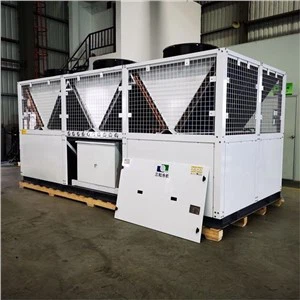
Hey there! I'm a supplier of Flooded Water Chillers, and I've been in this game for quite a while. Today, I wanna chat about something super important in our line of work: the effects of a flooded water chiller on the refrigerant's purity.
First off, let's get a quick understanding of what a flooded water chiller is. A Flooded Water Chiller is a type of chiller where the evaporator is filled with liquid refrigerant. In this setup, the refrigerant boils as it absorbs heat from the water flowing through the evaporator tubes, cooling the water down. It's a pretty efficient way to cool large amounts of water, which is why it's widely used in commercial and industrial applications.
Now, let's dig into how a flooded water chiller can affect the purity of the refrigerant. One of the main factors is contamination. When a flooded water chiller is in operation, there are several ways contaminants can get into the refrigerant.
One common source of contamination is moisture. If there's a leak in the system or if the refrigerant isn't properly dried before being charged into the chiller, moisture can enter the system. Moisture in the refrigerant can cause a whole bunch of problems. For starters, it can react with the refrigerant and the lubricating oil in the system to form acids. These acids can corrode the components of the chiller, like the compressor, valves, and heat exchangers. Over time, this corrosion can lead to leaks and system failures.
Another issue with moisture is that it can freeze in the expansion valve or other parts of the system, causing blockages. This can disrupt the normal flow of the refrigerant and reduce the efficiency of the chiller. And when the efficiency goes down, it means higher energy consumption and more money spent on running the system.
Apart from moisture, other contaminants like dirt, debris, and metal particles can also find their way into the refrigerant. These can come from the manufacturing process, installation, or normal wear and tear of the chiller components. Dirt and debris can clog the filters and reduce the flow of the refrigerant, while metal particles can cause abrasion and damage to the moving parts of the compressor.
The presence of these contaminants can also affect the thermodynamic properties of the refrigerant. For example, impurities can change the boiling point and the heat transfer characteristics of the refrigerant. This can lead to inefficient heat transfer in the evaporator and condenser, which in turn affects the overall performance of the chiller.
The purity of the refrigerant is also crucial for the proper functioning of the compressor. The compressor is the heart of the chiller system, and it relies on clean refrigerant to operate smoothly. Contaminated refrigerant can cause increased wear and tear on the compressor's bearings, pistons, and other moving parts. This can lead to premature failure of the compressor, which is a major and expensive problem to fix.
In addition to contamination, the way a flooded water chiller is operated and maintained can also impact the refrigerant's purity. For example, if the chiller is overcharged with refrigerant, it can lead to liquid slugging in the compressor. Liquid slugging occurs when liquid refrigerant enters the compressor instead of vapor. This can cause damage to the compressor valves and pistons, and it can also introduce more contaminants into the system if the compressor is damaged.
On the other hand, undercharging the chiller with refrigerant can also be a problem. When there's not enough refrigerant in the system, the compressor has to work harder to maintain the desired cooling capacity. This can lead to overheating of the compressor and can also cause the refrigerant to break down, forming more contaminants.
Proper maintenance of the flooded water chiller is essential to ensure the purity of the refrigerant. Regularly changing the filters is a must. Filters are designed to trap dirt, debris, and other contaminants before they can reach the compressor and other critical components. By changing the filters at the recommended intervals, we can keep the refrigerant clean and reduce the risk of contamination.
Another important maintenance task is refrigerant reclamation. Over time, even with proper filtration, the refrigerant can become contaminated. Refrigerant reclamation involves removing the contaminated refrigerant from the system, cleaning it, and then reusing it. This not only helps to maintain the purity of the refrigerant but also reduces the environmental impact of refrigerant disposal.
As a Flooded Water Chiller supplier, we understand the importance of providing high - quality chillers that are designed to minimize the risk of refrigerant contamination. Our Flooded Type Screw Chillers are built with advanced filtration systems and tight seals to prevent moisture and other contaminants from entering the system.
We also offer comprehensive maintenance services to our customers. Our team of experts can perform regular inspections, cleanings, and refrigerant reclamation to ensure that the chiller is operating at its best and that the refrigerant remains pure.


If you're in the market for a flooded water chiller or if you're having issues with your current chiller's refrigerant purity, don't hesitate to reach out. We're here to help you find the right solution for your cooling needs and to keep your system running smoothly.
In conclusion, the effects of a flooded water chiller on the refrigerant's purity are significant. Contamination can lead to a range of problems, from reduced efficiency and increased energy consumption to system failures and costly repairs. By understanding the sources of contamination and taking proper preventive measures, we can ensure the long - term performance and reliability of the chiller system.
References
- ASHRAE Handbook - Refrigeration. American Society of Heating, Refrigerating and Air - Conditioning Engineers.
- Refrigeration and Air Conditioning Technology, 6th Edition. William M. Whitman, William C. Johnson, and John Tomczyk.