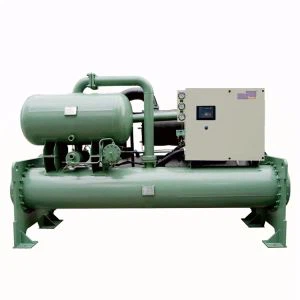
As a provider of water-cooled screw chillers, I understand the significance of energy efficiency in today's industrial and commercial sectors. With the rising costs of energy and an increasing focus on environmental sustainability, improving the energy efficiency of water-cooled screw chillers has become a top priority for many businesses. In this blog post, I will share some practical strategies and best practices to help you enhance the energy efficiency of your water-cooled screw chiller.
Understanding the Basics of Water-Cooled Screw Chillers
Before delving into energy efficiency improvements, it's essential to have a basic understanding of how water-cooled screw chillers work. These chillers are widely used in various applications, including industrial processes, commercial buildings, and data centers, to remove heat from a space or process and transfer it to a water source. The core components of a water-cooled screw chiller include a compressor, condenser, evaporator, and expansion valve.
The compressor is responsible for compressing the refrigerant gas, increasing its temperature and pressure. The high-pressure refrigerant then flows into the condenser, where it releases heat to the cooling water. As the refrigerant cools down, it condenses into a liquid. The liquid refrigerant then passes through the expansion valve, which reduces its pressure and temperature. Finally, the low-pressure refrigerant enters the evaporator, where it absorbs heat from the chilled water, cooling it down. The cycle then repeats.
Strategies to Improve Energy Efficiency
1. Proper Sizing and Selection
One of the most critical factors in achieving energy efficiency is the proper sizing and selection of the water-cooled screw chiller. An oversized chiller will consume more energy than necessary, while an undersized chiller will struggle to meet the cooling demand, leading to increased energy consumption and potential system failures.
When selecting a chiller, it's essential to consider the specific cooling requirements of your application, including the peak load, average load, and part-load conditions. You should also take into account the ambient conditions, such as the temperature and humidity of the location where the chiller will be installed. Our company offers a wide range of water-cooled screw chillers, including Industrial Use Screw Water Chiller 2 Compressor, Water Cooled Screw Type Chiller, and Water Cooled Heat Reclaim Chiller, which can be customized to meet your specific needs.
2. Regular Maintenance
Regular maintenance is crucial for ensuring the optimal performance and energy efficiency of your water-cooled screw chiller. Over time, dirt, debris, and scale can accumulate on the condenser and evaporator coils, reducing their heat transfer efficiency. This can lead to increased energy consumption and reduced cooling capacity.
To prevent this, it's important to schedule regular maintenance checks, including cleaning the coils, checking the refrigerant levels, and inspecting the compressor and other components for any signs of wear or damage. You should also ensure that the cooling water is properly treated to prevent the growth of algae and bacteria, which can also affect the chiller's performance.
3. Optimize the Cooling Water System
The cooling water system plays a vital role in the energy efficiency of a water-cooled screw chiller. By optimizing the cooling water system, you can reduce the energy consumption of the chiller and improve its overall performance.
One way to optimize the cooling water system is to use a variable speed drive (VSD) for the cooling water pump. A VSD allows the pump to adjust its speed based on the cooling demand, reducing the energy consumption when the demand is low. You can also install a water treatment system to maintain the quality of the cooling water and prevent the formation of scale and corrosion.
4. Implement Energy Management Strategies
Implementing energy management strategies can also help you improve the energy efficiency of your water-cooled screw chiller. For example, you can use a building automation system (BAS) to monitor and control the chiller's operation, adjusting the settings based on the actual cooling demand. A BAS can also provide real-time data on the energy consumption of the chiller, allowing you to identify any potential energy-saving opportunities.
Another energy management strategy is to implement a demand response program. A demand response program allows you to reduce your energy consumption during peak demand periods, when the cost of electricity is highest. By participating in a demand response program, you can not only save money on your energy bills but also contribute to the stability of the electrical grid.
5. Upgrade to High-Efficiency Components
Upgrading to high-efficiency components can significantly improve the energy efficiency of your water-cooled screw chiller. For example, you can replace the old compressor with a new, high-efficiency compressor that uses less energy and has a higher cooling capacity. You can also upgrade the condenser and evaporator coils to more efficient models, which can improve the heat transfer efficiency and reduce the energy consumption of the chiller.


Conclusion
Improving the energy efficiency of a water-cooled screw chiller is essential for reducing energy costs, minimizing environmental impact, and ensuring the reliable operation of your cooling system. By following the strategies outlined in this blog post, you can optimize the performance of your chiller and achieve significant energy savings.
As a leading provider of water-cooled screw chillers, we are committed to helping our customers improve the energy efficiency of their cooling systems. Our team of experts can provide you with customized solutions and technical support to ensure that your chiller operates at its peak performance. If you are interested in learning more about our products or services, or if you have any questions about improving the energy efficiency of your water-cooled screw chiller, please feel free to contact us. We look forward to working with you to achieve your energy-saving goals.
References
- ASHRAE Handbook - HVAC Systems and Equipment. American Society of Heating, Refrigerating and Air-Conditioning Engineers, Inc.
- Energy Star. "Commercial Buildings: Chillers." Energy Star, U.S. Environmental Protection Agency.
- Carrier Corporation. "Water-Cooled Screw Chillers: Application and Selection Guide." Carrier Corporation.