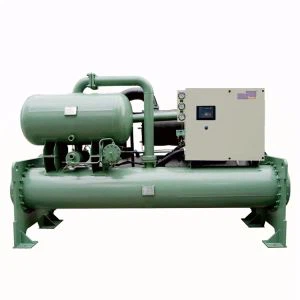
Hey there! As a supplier of Industrial Use Mini Chillers, I've seen firsthand how the type of refrigerant can make a huge difference in the performance of these nifty machines. Let's dive right in and explore how refrigerant type affects the performance of an industrial use mini chiller.
Understanding the Basics of Refrigerants
First off, what exactly is a refrigerant? Well, it's a substance used in the refrigeration cycle to absorb and release heat. In a mini chiller, the refrigerant plays a crucial role in cooling the water or other fluids that are used in industrial processes. There are several types of refrigerants out there, each with its own set of properties and characteristics.
One of the most common types of refrigerants used in industrial use mini chillers is R-410A. This refrigerant is known for its high energy efficiency and low environmental impact. It has a relatively high cooling capacity, which means it can remove a large amount of heat from the system in a short amount of time. Another popular refrigerant is R-134a, which is often used in smaller chillers. It's a non-toxic and non-flammable refrigerant that has a lower global warming potential compared to some other options.
Impact on Cooling Capacity
The type of refrigerant you choose can have a significant impact on the cooling capacity of your industrial use mini chiller. Different refrigerants have different heat transfer properties, which means they can absorb and release heat at different rates. For example, a refrigerant with a high heat transfer coefficient will be able to transfer heat more efficiently, resulting in a higher cooling capacity.
Let's say you're running a small industrial process that requires a certain amount of cooling. If you choose a refrigerant with a low cooling capacity, your chiller may struggle to keep up with the demand. On the other hand, if you choose a refrigerant with a high cooling capacity, your chiller will be able to cool the system more effectively, ensuring that your process runs smoothly.
Energy Efficiency
Energy efficiency is another important factor to consider when choosing a refrigerant for your industrial use mini chiller. A more energy-efficient refrigerant can help you save on your energy bills and reduce your carbon footprint. Refrigerants with a high coefficient of performance (COP) are generally more energy-efficient, as they can produce more cooling output for the same amount of energy input.
For instance, R-410A is known for its high COP, which makes it a popular choice for many industrial applications. By using a refrigerant like R-410A in your mini chiller, you can reduce your energy consumption and lower your operating costs over time. This is especially important for businesses that rely on their chillers to run 24/7, as even a small increase in energy efficiency can result in significant savings.
Environmental Impact
In today's world, environmental impact is a major concern for many businesses. The type of refrigerant you choose can have a big impact on the environment, particularly in terms of its ozone depletion potential (ODP) and global warming potential (GWP). Refrigerants with a high ODP can damage the ozone layer, while those with a high GWP can contribute to climate change.


Many countries have implemented regulations to phase out the use of refrigerants with high ODP and GWP. As a result, it's important to choose a refrigerant that is environmentally friendly. For example, R-134a has a low ODP and GWP, making it a more sustainable option compared to some older refrigerants. By using an environmentally friendly refrigerant in your industrial use mini chiller, you can not only comply with regulations but also demonstrate your commitment to sustainability.
Compatibility with Chiller Components
Another factor to consider is the compatibility of the refrigerant with the components of your industrial use mini chiller. Different refrigerants have different chemical properties, which means they may react differently with the materials used in the chiller. For example, some refrigerants may be corrosive to certain metals or plastics, which can lead to damage and reduced performance over time.
It's important to choose a refrigerant that is compatible with the materials used in your chiller to ensure its long-term reliability. Most chiller manufacturers will provide guidelines on the recommended refrigerants for their products, so be sure to follow these recommendations. Using an incompatible refrigerant can void your warranty and may even cause safety issues.
Cost Considerations
Cost is always a factor when making any business decision, and choosing a refrigerant for your industrial use mini chiller is no exception. The cost of the refrigerant itself can vary depending on the type and availability. In addition, there may be additional costs associated with using a particular refrigerant, such as the cost of installation, maintenance, and disposal.
For example, some refrigerants may require special handling and storage procedures, which can add to the overall cost. On the other hand, choosing a more energy-efficient refrigerant may result in lower energy costs over time, offsetting the initial investment. It's important to weigh the upfront costs against the long-term savings when choosing a refrigerant for your chiller.
Conclusion
In conclusion, the type of refrigerant you choose can have a significant impact on the performance of your industrial use mini chiller. From cooling capacity and energy efficiency to environmental impact and compatibility, there are many factors to consider when making this decision. As a supplier of Industrial Use Mini Chillers, I recommend working closely with a professional to determine the best refrigerant for your specific application.
If you're in the market for an industrial use mini chiller or need help choosing the right refrigerant, don't hesitate to reach out. We offer a wide range of Air Cooled Scroll Water Chillers and Air Cooled Scroll Chillers for Air Condition that are designed to meet the needs of various industrial applications. Contact us today to start a conversation about your cooling requirements and let's find the perfect solution for your business.
References
- ASHRAE Handbook - Refrigeration. American Society of Heating, Refrigerating and Air-Conditioning Engineers.
- International Institute of Refrigeration (IIR). "Refrigerants and the Environment."
- Manufacturers' technical documentation for industrial use mini chillers.