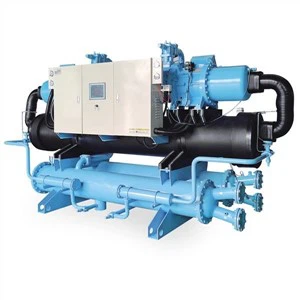
Alright, let's cut through the noise. In heavy industries-oil and gas, power plants, chemical processing, you name it-shell and tube heat exchangers (STHXs) are the backbone. Forget fancy buzzwords; these workhorses handle extreme pressures, temperatures, and nasty fluids that'd chew up prettier designs.
What Exactly Are They?
Picture a tough outer shell (usually steel or corrosion-resistant alloy) packed with a bundle of tubes inside. One fluid runs through the tubes, another flows around them inside the shell. Heat jumps from one to the other without the fluids ever mixing. Simple? Yes. Outdated? Hell no. Modern tweaks-like helical baffles instead of old-school segmental plates-have made them leaner and meaner.

Why Your Plant Can't Skip Them
Need to cool 200°C oil fast? Condense steam in a power turbine? Pasteurize juice without burning it? STHXs do this daily. Their brute-strength construction handles shocks, corrosion, and gunk-filled fluids that'd kill plate or microchannel units. But here's the kicker: efficiency rules now. Energy recovery isn't optional-it's profit. A poorly designed exchanger bleeds cash through pumping costs and wasted heat. That's where smart engineering matters.
Game-Changing Upgrades You Should Know
The old segmental baffles (those notched plates guiding flow) created "dead zones" where sludge built up and heat transfer stalled. Enter helical baffles:
think spiral ramps inside the shell. They force fluid into a smooth swirl, slashing dead zones by 60% and cutting pressure drop by up to 50%. Less pressure drop means smaller pumps, lower power bills.
- Angle Matters: Tests show 40° helix angles hit the sweet spot-balancing heat transfer and energy loss better than 20° or 50° designs.
- Fouling Resistance: Turbulent swirl from helical flows scours tubes clean. Less downtime for acid washes or scraping.
- Material Flexibility: Handling sulfuric acid? Seawater? Go for titanium tubes or Hastelloy shells. STHXs adapt without breaking stride.
The Bottom Line
Yeah, plate exchangers win in "easy" apps. But for brutal, 24/7 loads? Nothing out-muscles a well-built STHX. The new-gen helical baffle units are energy sippers disguised as tanks. My advice?
Skip segmental baffles unless you love pump costs and fouling.
Demand helical designs at 30°–40° angles-best bang for buck in energy recovery .
Size tubes for turbulence: Corrugated or enhanced surfaces boost heat pickup without extra floor space .