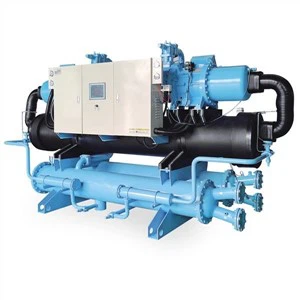
We've been in the heavy-duty HVAC game for these years, supplying top-tier industrial machinery globally. One piece of tech that consistently blows us away is the Centrifugal Chiller. Let's break down what makes these units the backbone of massive cooling systems.
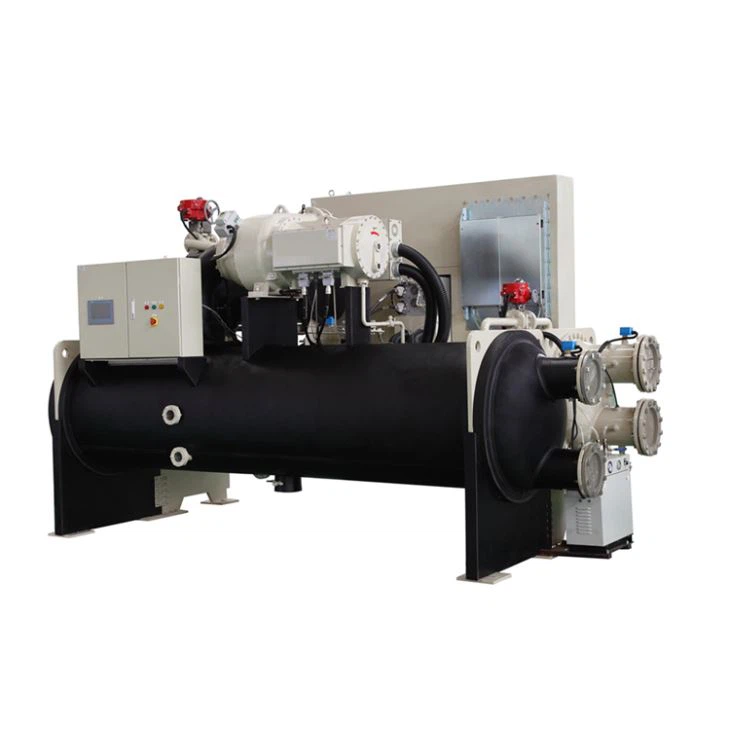
What Exactly IS a Centrifugal Chiller
Think of it as the industrial-strength air conditioning for huge buildings or processes, but way smarter and more powerful than anything in your home. At its heart is a centrifugal compressor – that's the key difference and where the name comes from.
Instead of pistons or screws squeezing refrigerant gas, it uses a high-speed rotating impeller (like a jet engine turbine). This spinning impeller flings the refrigerant vapor outward at incredible speeds. As the vapor gets flung to the outer edge of the compressor housing, two critical things happen:
- Its velocity skyrockets.
- Then, in a cleverly designed diffuser section, that speed gets converted into high pressure.
This high-pressure, superheated gas then goes through the usual chiller cycle: condensed into liquid, expanded to cool down, and finally evaporating in the chiller tubes to absorb heat from your building's water loop (the chilled water). The cooled water is then pumped out to air handlers or process equipment.
Why choose Centrifugal
- This is their superpower. That centrifugal compression process is incredibly efficient, particularly when running near full load. They often boast the best COP (Coefficient of Performance) and lowest kW/ton ratings among large chillers. For facilities running cooling 24/7 or close to it , the energy savings are massive. Lower operating costs = fast ROI.
- Huge Cooling Capacity: Need to cool a skyscraper, a massive factory floor, or a sprawling campus? Centrifugals are built for this. They dominate the market for applications needing hundreds and even thousands of tons of cooling.
- Smoother Operator: Fewer moving parts compared to say, reciprocating compressors, generally means less vibration and quieter operation (relatively speaking, it's still big machinery!). This can be crucial in noise-sensitive environments or for reducing structural wear and tear.
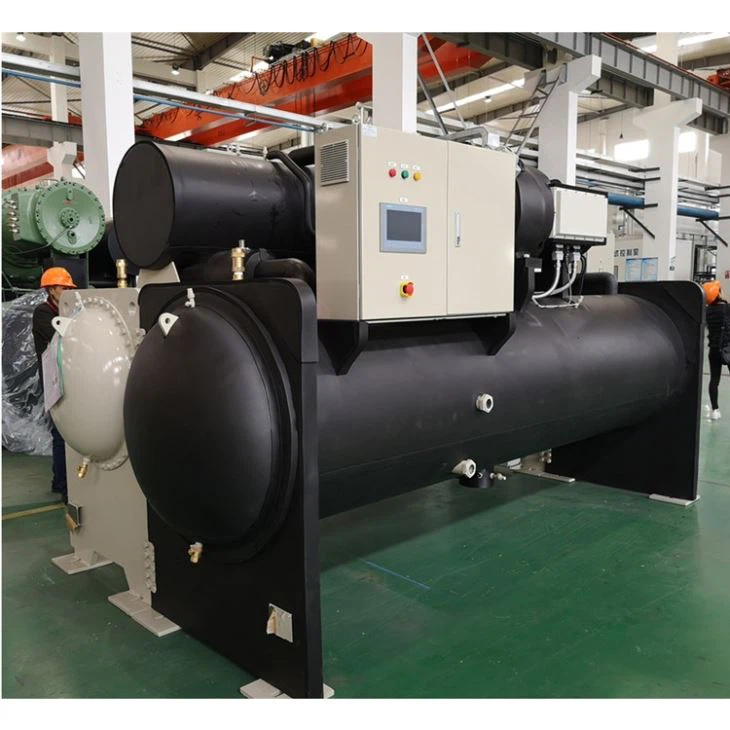
- Compact Powerhouse: Pound for pound (or ton for ton!), they often deliver more cooling capacity in a smaller footprint than other large chiller types. Space is money in plant rooms!
- Precision Control: Modern centrifugals with VFDs (Variable Frequency Drives) offer incredibly smooth capacity modulation. They can precisely match the cooling load, avoiding the energy-wasting on/off cycling of smaller units.
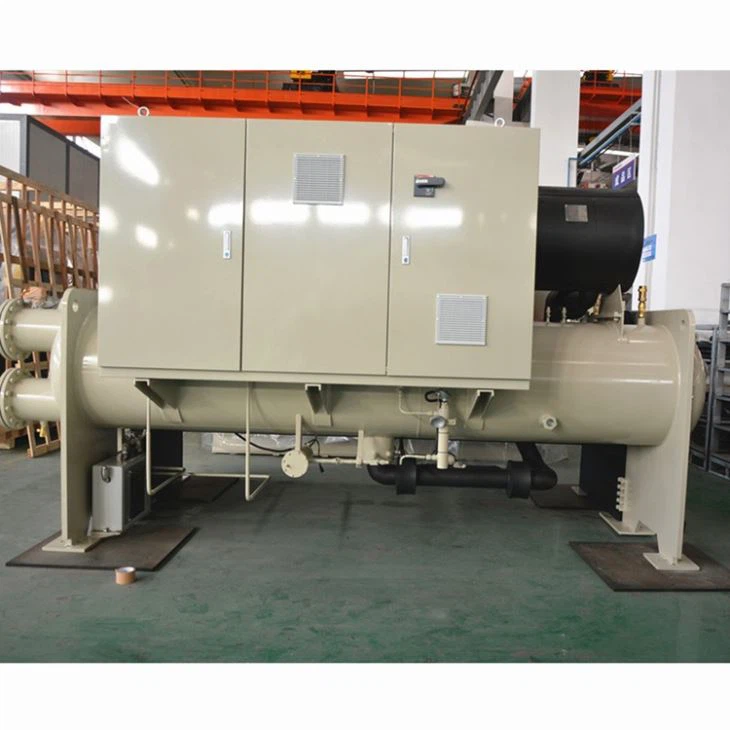
Where Do These Cooling Machine Shine
Massive Commercial Buildings: Skyscrapers, mega-malls, large hotels, convention centers.
Critical Environments: Data Centers (huge power density!), Hospitals (operating rooms, labs), Pharmaceutical manufacturing.
Industrial Processes: Plastics manufacturing, chemical processing, food & beverage production, automotive plants – anywhere process cooling is vital.
District Cooling Plants: The heart of systems cooling entire neighborhoods or complexes.
Centrifugal chillers are the undisputed efficiency champions for large-scale cooling. They offer unbeatable energy savings at full load, massive capacity in a relatively compact package, and smooth, reliable operation.