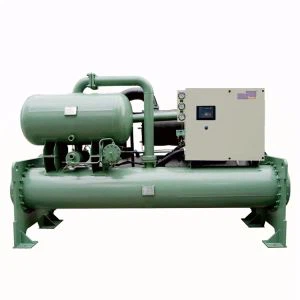
As a well - established supplier of Package Air Conditioners, I often encounter inquiries regarding the type of refrigerants these units use. Understanding the refrigerant in a package air conditioner is crucial not only for the proper functioning of the unit but also for environmental and regulatory compliance. In this blog, I'll delve into the common types of refrigerants used in package air conditioners, their characteristics, and the factors influencing their selection.
Common Types of Refrigerants in Package Air Conditioners
R - 410A
R - 410A is one of the most widely used refrigerants in modern package air conditioners. It is a hydrofluorocarbon (HFC) blend composed of difluoromethane (R - 32) and pentafluoroethane (R - 125). One of the main advantages of R - 410A is its high energy efficiency. It allows package air conditioners to cool more effectively with less power consumption compared to some older refrigerants.
In terms of performance, R - 410A operates at higher pressures than its predecessors, such as R - 22. This requires package air conditioners designed to use R - 410A to have stronger and more robust components. However, this also enables the system to transfer heat more efficiently, resulting in better cooling performance.
From an environmental perspective, while R - 410A does not contain chlorine, which means it does not contribute to the depletion of the ozone layer, it has a relatively high global warming potential (GWP). The GWP of R - 410A is around 2088, which has led to increased scrutiny as the world moves towards more sustainable cooling solutions.
R - 32
R - 32 is emerging as a popular alternative to R - 410A. It is a single - component hydrofluorocarbon refrigerant. One of the key benefits of R - 32 is its lower GWP, which is approximately 675, about one - third of that of R - 410A. This makes it a more environmentally friendly option in the context of global warming concerns.
R - 32 also offers good energy efficiency. It has a high latent heat of vaporization, which means it can absorb and release more heat during the refrigeration cycle. Package air conditioners using R - 32 can achieve similar or even better cooling performance compared to those using R - 410A while consuming less energy.
However, R - 32 is slightly flammable, although the risk is relatively low under normal operating conditions. Package air conditioner manufacturers need to take appropriate safety measures during the design and installation process to ensure safe use.
R - 22 (Phased - out)
R - 22, also known as chlorodifluoromethane, was once the most commonly used refrigerant in package air conditioners. It is a hydrochlorofluorocarbon (HCFC). R - 22 has excellent thermodynamic properties, providing reliable cooling performance.
Unfortunately, R - 22 contains chlorine, which is known to deplete the ozone layer. Due to its environmental impact, the production and import of R - 22 have been phased out in many countries under the Montreal Protocol. As a result, package air conditioners using R - 22 are becoming less common, and existing units need to be either retrofitted to use alternative refrigerants or replaced.
Factors Influencing Refrigerant Selection
Environmental Regulations
Environmental regulations play a significant role in the selection of refrigerants for package air conditioners. Governments around the world are implementing strict regulations to phase out refrigerants with high ozone - depleting potential (ODP) and high GWP. For example, the Kigali Amendment to the Montreal Protocol aims to phase down the production and consumption of HFCs, including R - 410A, in an effort to mitigate global warming. As a package air conditioner supplier, we need to ensure that our products comply with these regulations to meet market demands and avoid potential legal issues.
Energy Efficiency
Energy efficiency is another crucial factor. Package air conditioners are major energy consumers, especially in commercial and industrial settings. Refrigerants that offer high energy efficiency can help reduce operating costs for end - users. For instance, R - 32's high latent heat of vaporization allows for more efficient heat transfer, resulting in lower energy consumption and reduced electricity bills.


Safety
Safety is of utmost importance when selecting a refrigerant. Some refrigerants, like R - 32, have a certain degree of flammability. Package air conditioner manufacturers need to design systems with appropriate safety features, such as leak detection and ventilation systems, to ensure the safe use of these refrigerants. In addition, proper handling and installation procedures are essential to minimize safety risks.
Compatibility with System Components
The refrigerant must be compatible with the various components of the package air conditioner, including the compressor, condenser, evaporator, and expansion valve. Different refrigerants have different chemical and physical properties, which can affect the performance and lifespan of these components. For example, R - 410A operates at higher pressures, so the compressor and other components need to be designed to withstand these pressures.
Our Package Air Conditioners and Refrigerant Choices
At our company, we are committed to providing package air conditioners that are both energy - efficient and environmentally friendly. We offer a range of products using different refrigerants to meet the diverse needs of our customers.
For customers who prioritize energy efficiency and are looking for a reliable solution in the short to medium term, our Water Cooled Packaged Air Conditioner using R - 410A is a great option. These units are designed to provide excellent cooling performance while ensuring compliance with current regulations.
For those who are more environmentally conscious and willing to embrace new technologies, our package air conditioners using R - 32 are the ideal choice. We have taken all necessary safety precautions during the design and manufacturing process to ensure the safe use of R - 32. These units offer high energy efficiency and a lower environmental impact.
Conclusion
The type of refrigerant used in a package air conditioner is a critical aspect that affects its performance, energy efficiency, environmental impact, and safety. As a package air conditioner supplier, we are constantly monitoring the latest developments in refrigerant technology and environmental regulations to provide our customers with the best products.
If you are in the market for a package air conditioner, we invite you to contact us for more information. Our team of experts can help you choose the right refrigerant and the most suitable package air conditioner for your specific needs. Whether you are a commercial building owner, an industrial facility manager, or a residential user, we have the solutions to meet your cooling requirements. Let's work together to create a more comfortable and sustainable environment.
References
- "Refrigerants and Their Applications in HVAC Systems" - ASHRAE Handbook
- "The Montreal Protocol and Its Amendments" - United Nations Environment Programme
- "Global Warming Potential of Refrigerants" - Intergovernmental Panel on Climate Change (IPCC)