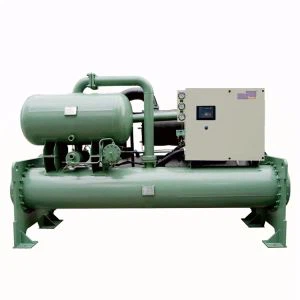
In the realm of food processing, heat exchangers play a pivotal role in ensuring the efficiency, safety, and quality of various food products. As a heat exchanger supplier, I have witnessed firsthand the diverse requirements that the food processing industry places on these essential pieces of equipment. This blog post aims to delve into the key requirements for heat exchangers in food processing, shedding light on the factors that are crucial for optimal performance and compliance with industry standards.
Hygiene and Sanitation
One of the most critical requirements for heat exchangers in food processing is hygiene and sanitation. Food products are highly susceptible to contamination, and any presence of harmful microorganisms can lead to serious health risks for consumers. Therefore, heat exchangers must be designed and constructed in a way that minimizes the risk of contamination and allows for easy cleaning and sterilization.
Materials used in the construction of heat exchangers should be food-grade and resistant to corrosion, abrasion, and chemical attack. Stainless steel is a popular choice due to its excellent corrosion resistance and ease of cleaning. Additionally, the internal surfaces of the heat exchanger should be smooth and free of crevices or dead spots where bacteria and other contaminants can accumulate.
Cleaning and sanitation procedures are also of utmost importance. Heat exchangers should be designed to facilitate thorough cleaning, with easy access to all internal components. CIP (Clean-in-Place) systems are commonly used in food processing plants to automate the cleaning process, ensuring consistent and effective cleaning without the need for disassembly. Regular maintenance and inspection of the heat exchanger are also essential to detect and address any potential hygiene issues.
Temperature Control
Precise temperature control is another crucial requirement for heat exchangers in food processing. Different food products have specific temperature requirements during processing, such as pasteurization, sterilization, cooling, and freezing. Heat exchangers must be able to maintain the desired temperature within a narrow range to ensure the quality and safety of the food.
The design of the heat exchanger should allow for efficient heat transfer while minimizing temperature variations. Factors such as the type of heat exchanger, the flow rate of the fluids, and the temperature difference between the hot and cold fluids all affect the heat transfer efficiency. For example, Shell and Tube Evaporator Heat Exchanger are commonly used in food processing applications due to their high heat transfer efficiency and ability to handle large flow rates.
In addition to maintaining the desired temperature, heat exchangers must also be able to respond quickly to changes in the process conditions. For example, during pasteurization, the temperature of the food product must be raised to a specific level and held for a certain period of time to kill harmful bacteria. The heat exchanger should be able to quickly adjust the heating or cooling rate to ensure that the temperature is maintained within the required range.
Energy Efficiency
Energy efficiency is a major concern in the food processing industry, as it directly impacts the operating costs and environmental sustainability of the plant. Heat exchangers play a crucial role in reducing energy consumption by recovering and transferring heat from one process stream to another.
The design of the heat exchanger should be optimized to maximize the heat transfer efficiency while minimizing the pressure drop across the exchanger. This can be achieved through the use of advanced heat transfer technologies, such as enhanced tubes and fins, and by carefully selecting the operating conditions, such as the flow rate and temperature difference.
In addition to improving the heat transfer efficiency, heat exchangers can also be integrated with other energy-saving devices, such as heat pumps and waste heat recovery systems. For example, a Shell and Tube Condenser Heat Exchanger can be used to recover the heat from the condenser of a refrigeration system and use it for preheating the incoming process fluid, reducing the energy consumption of the heating system.
Compatibility with Food Products
Heat exchangers must be compatible with the food products being processed to ensure the quality and safety of the food. Different food products have different physical and chemical properties, such as viscosity, pH, and particle size, which can affect the performance of the heat exchanger.
The materials used in the construction of the heat exchanger should be compatible with the food product to prevent any chemical reactions or contamination. For example, some food products may be acidic or alkaline, which can cause corrosion of certain metals. In such cases, heat exchangers made of non-metallic materials, such as plastics or ceramics, may be more suitable.
The design of the heat exchanger should also take into account the physical properties of the food product. For example, highly viscous food products may require a heat exchanger with a larger flow area to prevent clogging. Similarly, food products containing particles or solids may require a heat exchanger with a self-cleaning mechanism to prevent fouling.
Regulatory Compliance
The food processing industry is subject to strict regulations and standards to ensure the safety and quality of food products. Heat exchangers used in food processing must comply with these regulations, such as the FDA (Food and Drug Administration) regulations in the United States and the EU (European Union) food safety regulations.
Regulatory compliance includes requirements for materials, design, construction, and operation of the heat exchanger. For example, the materials used in the construction of the heat exchanger must be approved for use in food contact applications, and the heat exchanger must be designed and constructed to prevent contamination and ensure easy cleaning and maintenance.
In addition to complying with national and international regulations, heat exchangers may also need to meet specific industry standards, such as the 3-A Sanitary Standards in the United States. These standards provide guidelines for the design, construction, and testing of equipment used in the dairy, food, and beverage industries.


Flexibility and Scalability
Food processing plants often need to adapt to changing production requirements, such as changes in the product mix, production volume, or process conditions. Heat exchangers should be designed to be flexible and scalable to accommodate these changes.
Flexibility can be achieved through the use of modular designs, which allow for easy addition or removal of heat exchanger modules to adjust the heat transfer capacity. This is particularly useful in situations where the production volume needs to be increased or decreased temporarily.
Scalability refers to the ability of the heat exchanger to handle larger or smaller production volumes without significant loss of efficiency. Heat exchangers should be designed to operate efficiently over a wide range of flow rates and temperature conditions, allowing for easy expansion or contraction of the production capacity.
Reliability and Durability
Reliability and durability are essential requirements for heat exchangers in food processing. Downtime in a food processing plant can result in significant losses in production and revenue, as well as potential product spoilage. Heat exchangers should be designed and constructed to operate reliably for extended periods of time with minimal maintenance.
The materials used in the construction of the heat exchanger should be of high quality and have a long service life. Components such as tubes, gaskets, and seals should be resistant to wear, corrosion, and thermal stress. Regular maintenance and inspection of the heat exchanger are also important to detect and address any potential issues before they lead to equipment failure.
In addition to reliability, heat exchangers should also be designed to withstand the harsh operating conditions in a food processing plant, such as high temperatures, high pressures, and corrosive environments. For example, U Type Evaporator are often used in food processing applications due to their robust design and ability to handle high-pressure and high-temperature conditions.
Conclusion
In conclusion, the requirements for heat exchangers in food processing are diverse and demanding. Hygiene and sanitation, temperature control, energy efficiency, compatibility with food products, regulatory compliance, flexibility and scalability, and reliability and durability are all key factors that need to be considered when selecting a heat exchanger for a food processing application.
As a heat exchanger supplier, we understand the unique requirements of the food processing industry and are committed to providing high-quality heat exchangers that meet these requirements. Our heat exchangers are designed and manufactured using the latest technologies and materials to ensure optimal performance, reliability, and compliance with industry standards.
If you are in the food processing industry and are looking for a reliable heat exchanger supplier, we invite you to contact us to discuss your specific requirements. Our team of experts will work with you to select the most suitable heat exchanger for your application and provide you with comprehensive technical support and after-sales service.
References
- "Food Processing Technology: Principles and Practice" by P. Fellows
- "Heat Exchangers: Selection, Rating, and Thermal Design" by A. Shah and D. Sekulic
- FDA Food Safety Modernization Act (FSMA) regulations
- EU food safety regulations
- 3-A Sanitary Standards for dairy, food, and beverage equipment