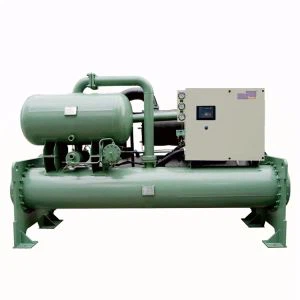
As a reputable supplier of Package Air Conditioners, I understand the critical importance of proper refrigerant recovery procedures. In this blog post, I'll delve into the step - by - step process of refrigerant recovery for a package air conditioner, highlighting why it's essential and how it impacts the environment and the longevity of the equipment.
Why Refrigerant Recovery is Necessary
Refrigerants play a pivotal role in the cooling process of a package air conditioner. However, many traditional refrigerants, such as chlorofluorocarbons (CFCs) and hydrochlorofluorocarbons (HCFCs), have been found to have a detrimental impact on the ozone layer. Newer refrigerants, while more ozone - friendly, can still contribute to global warming if released into the atmosphere. Therefore, proper refrigerant recovery is not only a regulatory requirement in many regions but also an ethical responsibility to protect our planet.
Moreover, refrigerant recovery is crucial for the maintenance and performance of the package air conditioner. Over time, refrigerants can break down, become contaminated, or leak. Recovering and reusing the refrigerant can help ensure that the system operates at peak efficiency, reducing energy consumption and prolonging the lifespan of the equipment.
Pre - recovery Preparations
Before initiating the refrigerant recovery process, several preparatory steps must be taken. First, gather all the necessary tools and equipment. This includes a refrigerant recovery machine, gauges, hoses, a scale, safety goggles, gloves, and a recovery cylinder. The recovery cylinder should be appropriately sized for the amount of refrigerant in the package air conditioner and must be certified for the specific type of refrigerant being recovered.
Next, identify the type of refrigerant used in the system. This information can usually be found on the unit's nameplate. Different refrigerants require different recovery procedures and equipment settings. For example, some refrigerants may need to be recovered in a liquid state, while others can be recovered as a vapor.
Inspect the package air conditioner for any visible signs of damage or leaks. Leaking refrigerant can pose a safety hazard and may indicate underlying problems with the system. If a leak is detected, it should be repaired before the recovery process begins.
Initial System Assessment
Once all the preparations are complete, conduct an initial assessment of the package air conditioner. Start by powering off the unit and allowing it to cool down. This is important to prevent any potential damage to the recovery equipment and to ensure accurate pressure readings.
Connect the gauges to the service ports on the air conditioner. The low - pressure port is typically larger and located on the suction side of the compressor, while the high - pressure port is smaller and on the discharge side. Take note of the pressure readings on the gauges. These readings can provide valuable information about the state of the refrigerant in the system and can help determine if there are any blockages or other issues.
Recovery Process
The actual refrigerant recovery process can be divided into two main methods: vapor recovery and liquid recovery.
Vapor Recovery
Vapor recovery is often the first step in the process. Connect the recovery machine to the low - pressure service port of the package air conditioner using the appropriate hoses. Make sure all connections are tight to prevent any refrigerant leaks.
Open the valve on the recovery cylinder and set the recovery machine to the appropriate settings for vapor recovery. Start the recovery machine, and it will begin to draw the refrigerant vapor from the system into the recovery cylinder. Monitor the pressure gauges on the recovery machine and the air conditioner. As the refrigerant is removed, the pressure in the system will gradually decrease.
Continue the vapor recovery process until the pressure in the system reaches a near - vacuum level. This indicates that most of the refrigerant vapor has been removed from the system. However, it's important to note that some refrigerant may still remain in the system in a liquid state.
Liquid Recovery
After the vapor recovery is complete, switch to the liquid recovery mode if necessary. This is typically done by connecting the recovery machine to the high - pressure service port of the air conditioner.
Open the valve on the recovery cylinder and adjust the settings on the recovery machine for liquid recovery. Start the recovery machine, and it will begin to draw the liquid refrigerant from the system into the recovery cylinder. The liquid recovery process is usually faster than vapor recovery, but it requires more careful monitoring to prevent over - filling of the recovery cylinder.
Use a scale to monitor the weight of the recovery cylinder. Once the cylinder reaches its maximum capacity, stop the recovery process immediately. It's crucial not to over - fill the recovery cylinder, as this can lead to dangerous pressure build - up and potential explosions.
Post - recovery Checks
After the refrigerant recovery is complete, conduct a series of post - recovery checks. First, check the pressure in the package air conditioner system to ensure that it has reached a near - vacuum level. This indicates that all the refrigerant has been successfully removed from the system.
Inspect the recovery cylinder for any signs of damage or leaks. Make sure the valve on the cylinder is tightly closed. Label the cylinder with the type of refrigerant, the date of recovery, and the amount of refrigerant recovered.


Disconnect all the hoses and gauges from the air conditioner and the recovery equipment. Store the recovery equipment in a safe and dry place for future use.
Recycling and Disposal
Once the refrigerant has been recovered, it can either be recycled or properly disposed of. Recycling involves purifying the refrigerant to remove any contaminants and bringing it back to a usable state. Many refrigerant recycling facilities are available, and they can ensure that the recovered refrigerant meets the necessary quality standards for reuse.
If the refrigerant cannot be recycled, it must be disposed of in accordance with local environmental regulations. Improper disposal of refrigerant can have serious environmental consequences, so it's important to work with a licensed disposal company.
Conclusion
Proper refrigerant recovery procedures are essential for the safe and efficient operation of package air conditioners. As a [Your Role in the Company] at a Package Air Conditioner supplier, I encourage all our customers to follow these procedures to protect the environment, ensure the longevity of their equipment, and comply with regulatory requirements.
If you're in the market for a high - quality Water Cooled Packaged Air Conditioner or need assistance with refrigerant recovery and maintenance, don't hesitate to reach out. Our team of experts is ready to provide you with the best solutions and support for all your air conditioning needs. Contact us today to start a conversation about your requirements and how we can help you achieve optimal performance and energy efficiency with your package air conditioner.
References
- "Refrigerant Recovery and Recycling Handbook" by the Air - Conditioning, Heating, and Refrigeration Institute (AHRI).
- "EPA Refrigerant Management Requirements" by the United States Environmental Protection Agency (EPA).
- "HVACR Service Technician's Handbook" by James D. Spores.