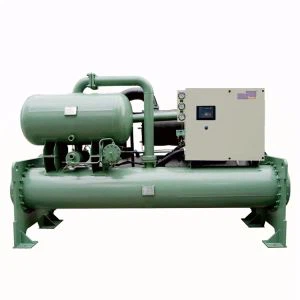
Hey there! As a supplier of Industrial Use Mini Chillers, I've seen firsthand how important noise reduction is in industrial settings. Nobody wants a noisy chiller disrupting the peace and quiet of the workplace, not to mention the potential health risks associated with excessive noise exposure. So, in this blog post, I'm going to share some of the top noise reduction techniques for industrial use mini chillers.
Understanding the Noise Sources
Before we dive into the noise reduction techniques, it's important to understand where the noise is coming from. Industrial use mini chillers typically generate noise from several sources, including the compressor, fan, and refrigerant flow. The compressor is often the loudest component, as it works hard to compress the refrigerant and maintain the cooling cycle. The fan, on the other hand, is responsible for moving air through the chiller to dissipate heat, and it can also create a significant amount of noise. Finally, the refrigerant flow can produce a hissing or whistling sound, especially if there are any restrictions or leaks in the system.
Selecting the Right Chiller
One of the most effective ways to reduce noise is to choose a chiller that is designed with noise reduction in mind. When selecting an industrial use mini chiller, look for models that have low-noise compressors and fans. Some manufacturers offer special noise-reducing features, such as insulated compressor compartments or variable-speed fans, which can help to minimize noise levels. Additionally, consider the size and capacity of the chiller. A chiller that is too small for the application may have to work harder, which can increase noise levels. On the other hand, a chiller that is too large may be overkill and may also produce unnecessary noise.
Proper Installation
Proper installation is crucial for reducing noise levels. Make sure the chiller is installed on a stable, level surface that is free from vibrations. If possible, isolate the chiller from the surrounding environment by using vibration isolators or rubber mounts. This can help to prevent vibrations from being transmitted to the floor or walls, which can amplify the noise. Additionally, ensure that the chiller is properly ventilated to prevent overheating, which can also increase noise levels.
Regular Maintenance
Regular maintenance is essential for keeping your industrial use mini chiller running smoothly and quietly. Make sure to follow the manufacturer's recommended maintenance schedule, which may include tasks such as cleaning the condenser coils, changing the air filters, and checking the refrigerant levels. A well-maintained chiller is less likely to develop problems that can cause excessive noise, such as compressor failures or refrigerant leaks. Additionally, keeping the chiller clean and free from debris can help to improve its efficiency and reduce noise levels.
Sound Enclosures
If you're still experiencing excessive noise levels, you may want to consider using a sound enclosure. A sound enclosure is a specially designed box that surrounds the chiller and helps to absorb and dampen the noise. Sound enclosures can be made from a variety of materials, such as acoustic foam, fiberglass, or metal, and they can be custom-designed to fit your specific chiller. While sound enclosures can be effective at reducing noise levels, they can also be expensive and may require additional ventilation to prevent overheating.
Noise Barriers
Another option for reducing noise is to use noise barriers. Noise barriers are physical barriers that are placed between the chiller and the surrounding environment to block the sound. Noise barriers can be made from a variety of materials, such as concrete, wood, or metal, and they can be custom-designed to fit your specific application. While noise barriers can be effective at reducing noise levels, they can also be expensive and may require additional space.
Variable-Speed Drives
Variable-speed drives (VSDs) are another effective way to reduce noise levels. VSDs allow the compressor and fan to operate at different speeds, depending on the cooling demand. This means that the chiller can run at a lower speed when the cooling demand is low, which can reduce noise levels. Additionally, VSDs can help to improve the efficiency of the chiller, which can save energy and reduce operating costs.
Conclusion
In conclusion, reducing noise levels is an important consideration when choosing an industrial use mini chiller. By selecting the right chiller, installing it properly, performing regular maintenance, and using noise-reducing techniques such as sound enclosures, noise barriers, and variable-speed drives, you can minimize noise levels and create a more comfortable and productive work environment.


If you're interested in learning more about our Industrial Use Mini Chiller or our other Industrial Air Cooled Scroll Chillers, please don't hesitate to contact us. We'd be happy to discuss your specific needs and help you find the right chiller for your application.
References
- ASHRAE Handbook - HVAC Systems and Equipment
- Chiller Manufacturer's Installation and Maintenance Manuals
- Noise Control Engineering Principles and Practices