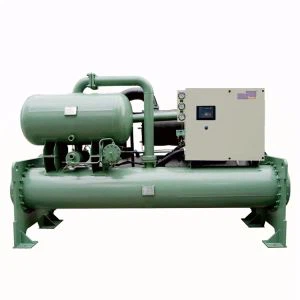
When it comes to installing an air-cooled screw chiller, understanding the space requirements is crucial for ensuring optimal performance, efficient operation, and long-term reliability. As a leading supplier of air-cooled screw chillers, we recognize the significance of providing accurate information to our customers. In this blog post, we will delve into the key factors that determine the installation space requirements for an air-cooled screw chiller.
1. Physical Dimensions of the Chiller Unit
The first and most obvious consideration is the physical size of the air-cooled screw chiller itself. These chillers come in a variety of sizes and capacities, which directly influence the amount of floor space they will occupy. Larger capacity chillers generally have larger dimensions, both in terms of length, width, and height.
Before installation, it is essential to obtain the detailed specifications of the chosen chiller model. The manufacturer's documentation will provide precise measurements, including the overall dimensions of the unit, as well as any additional clearances required for access panels, service doors, and maintenance. For instance, some chillers may require extra space in front of the unit to allow technicians to open the access panels and perform routine maintenance tasks such as filter replacement, compressor inspection, and electrical checks.
2. Airflow Requirements
Proper airflow is critical for the efficient operation of an air-cooled screw chiller. These chillers rely on ambient air to dissipate heat from the refrigerant system. Therefore, sufficient space must be provided around the unit to ensure unobstructed airflow.
- Intake Air: The chiller requires a continuous supply of fresh, cool air for intake. Obstructions such as walls, fences, or other equipment too close to the intake vents can restrict the airflow, leading to reduced cooling capacity and increased energy consumption. As a general rule, a minimum clearance of [X] feet should be maintained around the intake vents to allow for adequate air intake.
- Discharge Air: The hot air discharged from the chiller must also have a clear path to escape. If the discharge air is trapped or recirculated back into the intake, it can cause the chiller to overheat and malfunction. To prevent this, a sufficient distance should be maintained between the discharge vents and any nearby structures or equipment. Additionally, the discharge area should be free from any obstructions that could impede the upward flow of hot air.
3. Ventilation and Heat Dissipation
In addition to proper airflow, adequate ventilation is necessary to dissipate the heat generated by the chiller. Air-cooled screw chillers release a significant amount of heat into the surrounding environment during operation. If this heat is not effectively removed, it can lead to elevated ambient temperatures, which can negatively impact the performance of the chiller and other nearby equipment.
- Indoor Installation: When installing an air-cooled screw chiller indoors, proper ventilation systems must be in place to remove the heat. This may include exhaust fans, ductwork, and ventilation shafts. The ventilation system should be designed to handle the heat load generated by the chiller and maintain a suitable ambient temperature in the installation area.
- Outdoor Installation: Outdoor installations also require proper ventilation to ensure that the heat is dissipated effectively. The chiller should be installed in an area with good air circulation, away from any sources of heat or pollution. Additionally, the installation site should be elevated to prevent water accumulation, which can damage the chiller components.
4. Accessibility for Maintenance and Service
Regular maintenance and service are essential for the reliable operation of an air-cooled screw chiller. Therefore, sufficient space must be provided around the unit to allow technicians easy access for inspection, repair, and replacement of components.
- Service Clearances: The manufacturer's specifications will typically indicate the minimum service clearances required for the chiller. These clearances are necessary to ensure that technicians can safely access all parts of the unit, including the compressor, condenser, evaporator, and electrical components. In general, a minimum clearance of [X] feet should be maintained around the unit to allow for easy movement and access.
- Lifting and Handling: In the event of major repairs or component replacement, the chiller may need to be lifted or moved. Therefore, the installation area should have sufficient space and appropriate lifting equipment to facilitate these operations. This may include overhead cranes, forklifts, or other lifting devices.
5. Electrical and Plumbing Connections
Air-cooled screw chillers require electrical power and plumbing connections for refrigerant and water circulation. Sufficient space must be provided for these connections to be made safely and easily.


- Electrical Connections: The electrical panel for the chiller should be located in a convenient and accessible location, preferably within a short distance of the unit. The electrical cables and conduits should be properly routed and secured to prevent damage. Additionally, the installation area should have adequate electrical capacity to meet the power requirements of the chiller.
- Plumbing Connections: The refrigerant and water piping for the chiller should be installed in a way that minimizes pressure drops and allows for easy maintenance. The piping should be properly insulated to prevent heat loss and condensation. Sufficient space should be provided for the installation of valves, filters, and other plumbing components.
6. Installation Location and Environmental Factors
The location where the air-cooled screw chiller is installed can also have a significant impact on the space requirements. Factors such as the climate, altitude, and proximity to other equipment or structures must be considered.
- Climate: In hot and humid climates, the chiller may require additional space for ventilation and heat dissipation to prevent overheating. In cold climates, the chiller may need to be protected from freezing temperatures, which may require additional insulation or heating equipment.
- Altitude: At higher altitudes, the air density is lower, which can affect the performance of the chiller. In some cases, the chiller may need to be derated or modified to compensate for the reduced air density. Additionally, the installation site may need to be located at a higher elevation to ensure proper airflow and ventilation.
- Proximity to Other Equipment: The chiller should be installed in a location that is away from other heat-generating equipment or sources of vibration. This can help to prevent interference and ensure the reliable operation of the chiller.
7. Compliance with Local Codes and Regulations
Finally, it is important to ensure that the installation of the air-cooled screw chiller complies with all local codes and regulations. These codes may include requirements for fire safety, electrical safety, plumbing, and environmental protection.
- Fire Safety: The chiller should be installed in a location that is separated from any potential sources of fire by a suitable fire barrier. Additionally, the installation area should be equipped with appropriate fire suppression systems, such as sprinklers or fire extinguishers.
- Electrical Safety: The electrical installation for the chiller should comply with all relevant electrical codes and standards. This may include requirements for grounding, overcurrent protection, and electrical wiring.
- Plumbing and Environmental Protection: The refrigerant and water piping for the chiller should be installed in a way that prevents leaks and spills. The installation area should also be designed to handle any potential environmental hazards, such as refrigerant leaks or water spills.
In conclusion, the installation space requirements for an air-cooled screw chiller are determined by a variety of factors, including the physical dimensions of the unit, airflow requirements, ventilation and heat dissipation, accessibility for maintenance and service, electrical and plumbing connections, installation location and environmental factors, and compliance with local codes and regulations. As a supplier of air-cooled screw chillers, we are committed to providing our customers with the information and support they need to ensure a successful installation. If you are considering purchasing an air-cooled screw chiller for your pharmaceutical industry, you can visit Air Cooled Screw Chiller for Pharmaceutical Industry. For machine tool applications, check out Air Cooed Chillers for Machine Tool. And for the food industry, our Screw Type Chiller for Food Industry may be the right choice for you. If you have any questions or need further assistance with the installation of an air-cooled screw chiller, please do not hesitate to contact us for procurement and negotiation.
References
- Manufacturer's installation and operation manuals for air-cooled screw chillers.
- Local building codes and regulations related to HVAC installation.
- Industry standards and guidelines for air-cooled chiller installation and maintenance.