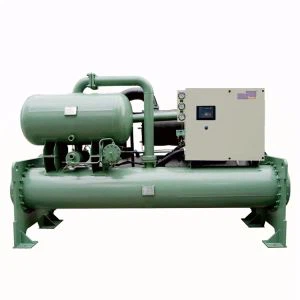
Hey there! As a cooling tower supplier, I've had my fair share of experiences with mechanical draft cooling towers. They're pretty popular in a lot of industries because they're effective at removing heat from industrial processes. But like anything else, they've got their downsides. In this blog, I'm gonna talk about some of the disadvantages of mechanical draft cooling towers.
High Energy Consumption
One of the biggest drawbacks of mechanical draft cooling towers is their high energy consumption. These towers use fans to force air through the tower, which helps in the heat transfer process. But those fans need a lot of electricity to run. In fact, the energy required to power these fans can be a significant portion of the total operating cost of an industrial facility.
Let's say you've got a large manufacturing plant that uses a mechanical draft cooling tower to cool its equipment. The fans in that tower might be running 24/7, consuming a huge amount of electricity. Over time, those energy costs can really add up. And with the rising cost of electricity, this can become a major financial burden for businesses.
Noise Pollution
Another issue with mechanical draft cooling towers is the noise they generate. The fans and motors in these towers can be quite loud, especially when they're running at full capacity. This can be a problem for nearby residents, workers, and even wildlife.
Imagine living or working near a factory that has a mechanical draft cooling tower. The constant noise from the tower can be very annoying and can even cause health problems like stress, hearing loss, and sleep disturbances. In some cases, the noise can even violate local noise regulations, which can lead to fines and legal issues for the business.
Maintenance Requirements
Mechanical draft cooling towers also require a lot of maintenance. The fans, motors, and other components in these towers need to be regularly inspected, cleaned, and repaired to ensure they're working properly. This can be a time-consuming and expensive process.
For example, the fans in a mechanical draft cooling tower need to be balanced regularly to prevent vibrations and premature wear. The motors need to be lubricated and their bearings checked for signs of damage. And the tower itself needs to be cleaned to prevent the buildup of dirt, debris, and algae, which can reduce its efficiency.
Water Treatment
Water treatment is another important aspect of maintaining a mechanical draft cooling tower. The water in these towers can contain a variety of contaminants, such as bacteria, fungi, and minerals, which can cause corrosion, scaling, and fouling. To prevent these problems, the water needs to be treated with chemicals.
However, water treatment can be expensive and can also have environmental impacts. The chemicals used in water treatment can be harmful to the environment if they're not properly disposed of. And the process of treating the water can also consume a lot of energy and resources.
Limited Cooling Capacity
Mechanical draft cooling towers have a limited cooling capacity. This means that they may not be suitable for large industrial processes that require a lot of cooling. In some cases, multiple towers may need to be installed to meet the cooling requirements of a facility, which can increase the cost and complexity of the system.


For example, if you've got a power plant that needs to cool a large amount of steam, a single mechanical draft cooling tower may not be able to handle the load. In this case, you may need to install several towers in parallel, which can take up a lot of space and require a significant investment.
Susceptibility to Weather Conditions
Mechanical draft cooling towers are also susceptible to weather conditions. High winds, rain, and snow can affect the performance of these towers. For example, strong winds can disrupt the airflow through the tower, reducing its cooling efficiency. And heavy rain and snow can cause water to accumulate in the tower, which can lead to corrosion and other problems.
In addition, extreme temperatures can also affect the performance of mechanical draft cooling towers. In hot weather, the air entering the tower may be too warm to effectively cool the water. And in cold weather, the water in the tower may freeze, which can damage the equipment.
Capital Costs
The initial capital costs of installing a mechanical draft cooling tower can be quite high. These towers are complex systems that require a lot of equipment and materials. In addition, the installation process can be time-consuming and may require specialized skills and equipment.
For example, the fans, motors, and other components in a mechanical draft cooling tower need to be carefully selected and installed to ensure they're compatible with the tower and the industrial process. And the tower itself needs to be properly designed and constructed to meet the specific requirements of the facility.
Conclusion
So, there you have it - some of the disadvantages of mechanical draft cooling towers. While these towers are effective at removing heat from industrial processes, they also come with a number of challenges. As a cooling tower supplier, I understand that choosing the right cooling tower for your business is an important decision.
At our company, we offer a variety of cooling tower options, including Round Cooling Tower, Square Cross-flow Cooling Tower, and Counterflow Closed Cooling Tower. Each of these options has its own advantages and disadvantages, and we can help you determine which one is best for your specific needs.
If you're interested in learning more about our cooling tower products or if you have any questions about the disadvantages of mechanical draft cooling towers, please don't hesitate to contact us. We'd be happy to have a chat with you and discuss your cooling requirements.
References
- "Cooling Tower Handbook" by William P. Bahnke and James W. Howard
- "Industrial Water Treatment Handbook" by William P. Bahnke and James W. Howard
- "Thermal Power Plant: Design and Operation" by P. K. Nag