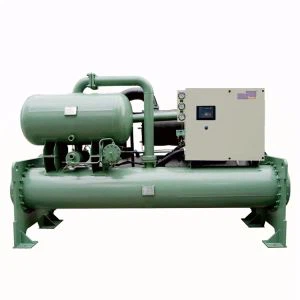
Hey there! As a supplier of Package Air Conditioners, I've seen all sorts of issues related to these units. One common problem that many users face is the build - up of frost on the air conditioner. Frost can reduce the efficiency of the unit and even cause it to malfunction if not dealt with properly. So, today I'm going to share with you some effective defrosting methods for a package air conditioner.
1. Automatic Defrosting
Most modern package air conditioners come with an automatic defrosting feature. This is by far the most convenient method for users. The system is designed to detect when frost has built up on the evaporator coils. It does this through sensors that measure the temperature and pressure of the refrigerant in the system.
When the sensors detect that the conditions are right for frost formation, the air conditioner will automatically switch to defrost mode. In defrost mode, the refrigerant flow is reversed. The hot refrigerant from the compressor is redirected to the evaporator coils. This heat melts the frost on the coils, and the water is then drained out of the unit.
The advantage of automatic defrosting is that it requires no manual intervention from the user. You don't have to worry about constantly checking the unit for frost or figuring out when to start the defrosting process. It's all taken care of by the built - in control system of the air conditioner. However, it's important to note that the automatic defrosting system needs to be properly maintained. If the sensors are dirty or malfunctioning, the system may not detect the frost accurately, leading to inefficient defrosting.
2. Manual Defrosting
In some cases, you may need to manually defrost your package air conditioner. This could be because the automatic defrosting system has failed or because you have an older model that doesn't have an automatic feature.
To manually defrost the unit, the first step is to turn off the air conditioner. This will stop the cooling process and prevent more frost from forming. Next, you can use a hair dryer to gently warm the evaporator coils. Make sure to keep the hair dryer at a safe distance from the coils to avoid damaging them. Move the hair dryer back and forth across the coils until the frost has melted.
Another option for manual defrosting is to use warm water. You can soak a cloth in warm water and gently wipe the coils. This will help to speed up the melting process. However, be careful not to use too much water, as it could cause electrical problems if it gets into the wrong parts of the unit.
After the frost has melted, you should let the unit dry completely before turning it back on. This will prevent any water from freezing again and causing further issues. Manual defrosting can be time - consuming and requires some effort on your part, but it can be a useful solution when the automatic system isn't working.
3. Using a Defrosting Agent
There are also defrosting agents available on the market that can be used to defrost a package air conditioner. These agents are usually in the form of sprays or liquids.
To use a defrosting agent, first, turn off the air conditioner. Then, spray or apply the agent directly onto the frost - covered coils. The defrosting agent works by lowering the freezing point of the water on the coils, causing the frost to melt more quickly.
One of the benefits of using a defrosting agent is that it can be more effective than just using warm air or water. It can penetrate the frost and break it down more efficiently. However, you need to be careful when using these agents. Some defrosting agents may contain chemicals that can be harmful to the environment or to the air conditioner itself if not used correctly. Make sure to read the instructions carefully before using any defrosting agent.
4. Improving Airflow
Poor airflow can contribute to frost build - up on the air conditioner. If the air filter is dirty or the vents are blocked, the cold air can't circulate properly, leading to frost formation on the coils.
To prevent this, you should regularly clean or replace the air filter. A clean air filter allows for better airflow, which helps to keep the coils at the right temperature and reduces the chances of frost forming. You should also make sure that the vents around the air conditioner are not blocked by furniture or other objects.
In some cases, you may need to adjust the fan speed of the air conditioner. A higher fan speed can increase the airflow and help to prevent frost build - up. However, be careful not to set the fan speed too high, as this can also cause the unit to consume more energy.


5. Checking the Refrigerant Level
The refrigerant level in the air conditioner plays a crucial role in its operation. If the refrigerant level is too low, the evaporator coils may become too cold, leading to frost formation.
You can check the refrigerant level by looking at the pressure gauges on the air conditioner. However, this is a task that is best left to a professional technician. They have the proper tools and knowledge to accurately measure the refrigerant level and add more if necessary.
Adding refrigerant to the system is not a simple DIY job. If you add too much or too little refrigerant, it can cause serious damage to the air conditioner. So, if you suspect that the refrigerant level is the cause of the frost build - up, it's best to call in a professional.
Conclusion
As a Package Air Conditioner supplier, I know how important it is to keep your unit in good working condition. Frost build - up can be a real headache, but with the right defrosting methods, you can keep your air conditioner running smoothly.
Whether you rely on the automatic defrosting feature, perform manual defrosting, use a defrosting agent, improve airflow, or check the refrigerant level, each method has its own advantages and should be used according to your specific situation.
If you're in the market for a new Package Air Conditioner, we offer a wide range of options, including the Water Cooled Packaged Air Conditioner. These units are designed with advanced technology to ensure efficient operation and reliable performance.
If you have any questions about defrosting your air conditioner or are interested in purchasing a new unit, feel free to get in touch with us. We're here to help you make the best choice for your cooling needs.
References
- HVAC Systems Handbook
- Air Conditioning Installation and Maintenance Guides