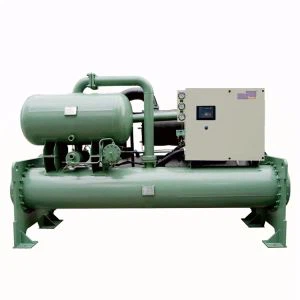
As a supplier of explosion-proof chillers, ensuring the explosion-proof performance of our products is of utmost importance. In this blog, I will share with you how to test the explosion-proof performance of an explosion-proof chiller.
Understanding the Basics of Explosion-Proof Chillers
Before delving into the testing methods, it's essential to understand what an explosion-proof chiller is. An explosion-proof chiller is designed to operate safely in hazardous environments where there is a risk of explosive atmospheres, such as those containing flammable gases, vapors, or dusts. These chillers are constructed with special features and materials to prevent the ignition of the surrounding explosive atmosphere.


There are different types of explosion-proof chillers available in the market, such as Explosion-proof Water Chiller and Explosion Proof Industrial Low Temperature Chiller. Each type is designed to meet specific requirements and applications in hazardous areas.
Regulatory Standards and Requirements
The testing of explosion-proof chillers is governed by various international and national standards. These standards define the requirements for the design, construction, and testing of explosion-proof equipment to ensure its safety and reliability in hazardous environments. Some of the commonly recognized standards include:
- IEC 60079 series: This series of standards, developed by the International Electrotechnical Commission (IEC), provides guidelines for the design and testing of electrical equipment for explosive atmospheres.
- ATEX Directive: Applicable in the European Union, the ATEX Directive sets out the requirements for equipment intended for use in potentially explosive atmospheres.
- UL 60079 series: In the United States, Underwriters Laboratories (UL) has developed a series of standards based on the IEC 60079 series to ensure the safety of explosion-proof equipment.
Compliance with these standards is crucial for manufacturers to demonstrate the explosion-proof performance of their chillers and to gain market acceptance.
Testing Methods for Explosion-Proof Performance
1. Enclosure Integrity Testing
The enclosure of an explosion-proof chiller plays a vital role in preventing the ignition of the surrounding explosive atmosphere. It must be able to withstand the pressure generated by an internal explosion without allowing the flame or hot gases to escape. Enclosure integrity testing is performed to verify the strength and tightness of the enclosure.
- Pressure Test: A pressure test is conducted to simulate an internal explosion. The chiller enclosure is filled with a specified gas mixture, and an ignition source is introduced inside the enclosure. The pressure rise inside the enclosure is measured, and the enclosure must be able to withstand the maximum pressure without any deformation or rupture.
- Flame Path Testing: Flame path testing is used to ensure that the flame or hot gases generated by an internal explosion cannot propagate through the joints, seams, or other openings in the enclosure. The length and cross-sectional area of the flame paths are measured and compared with the requirements specified in the relevant standards.
2. Electrical Safety Testing
Electrical components in an explosion-proof chiller can be a potential source of ignition. Therefore, electrical safety testing is essential to ensure that the electrical system of the chiller is safe to operate in a hazardous environment.
- Insulation Resistance Testing: Insulation resistance testing is performed to measure the resistance between the electrical conductors and the enclosure. A high insulation resistance value indicates that the electrical insulation is in good condition and reduces the risk of electrical arcing or short circuits.
- Earth Continuity Testing: Earth continuity testing verifies that all metal parts of the chiller that could become energized are properly connected to the earth. A low resistance value between the metal parts and the earth indicates a good electrical connection, which helps to prevent the buildup of static electricity and reduces the risk of electrical shock.
- Temperature Rise Testing: Temperature rise testing is carried out to measure the temperature increase of the electrical components during normal operation. The temperature rise must be within the limits specified in the relevant standards to prevent overheating and potential ignition of the surrounding explosive atmosphere.
3. Gas Leak Testing
Gas leak testing is performed to detect any leaks in the refrigerant system or other gas-containing components of the chiller. A leak in the refrigerant system can release flammable or explosive gases into the surrounding environment, posing a significant safety hazard.
- Soap Bubble Test: This is a simple and commonly used method for detecting gas leaks. A soap solution is applied to the joints, connections, and other potential leak points of the refrigerant system. If there is a leak, the soap solution will form bubbles, indicating the presence of a leak.
- Electronic Leak Detector: An electronic leak detector is a more sensitive and accurate method for detecting gas leaks. It uses a sensor to detect the presence of refrigerant gas in the air. The detector can be used to scan the entire refrigerant system to identify any leaks quickly.
4. Performance Testing under Simulated Hazardous Conditions
In addition to the above tests, performance testing under simulated hazardous conditions is also conducted to evaluate the overall performance of the explosion-proof chiller in a real-world scenario.
- Temperature and Humidity Testing: The chiller is tested under different temperature and humidity conditions to ensure that it can maintain its cooling performance and explosion-proof integrity. High temperatures and humidity can affect the performance of the electrical components and the enclosure, so it is important to test the chiller under these conditions.
- Vibration and Shock Testing: Vibration and shock testing are performed to simulate the mechanical stresses that the chiller may experience during transportation and operation. The chiller must be able to withstand these stresses without any damage to its explosion-proof features.
Documentation and Certification
After completing the testing, it is essential to document the test results and obtain the necessary certifications. The test reports should include detailed information about the testing methods, test equipment, test conditions, and test results. These reports serve as evidence of the chiller's compliance with the relevant standards and can be used for regulatory purposes and customer assurance.
Certification bodies, such as TÜV Rheinland, SGS, and UL, can issue certificates of compliance for explosion-proof equipment. These certificates are recognized globally and provide customers with confidence in the safety and reliability of the chiller.
Conclusion
Testing the explosion-proof performance of an explosion-proof chiller is a complex and rigorous process that requires compliance with various international and national standards. By conducting comprehensive testing using the methods described above, manufacturers can ensure that their chillers meet the highest safety standards and provide reliable cooling solutions for hazardous environments.
If you are in the market for an explosion-proof chiller and need a reliable supplier, please feel free to contact us. We have a wide range of Explosion-proof Water Chiller and Explosion Proof Industrial Low Temperature Chiller products to meet your specific requirements. Our team of experts is ready to assist you in selecting the right chiller and providing you with professional technical support.
References
- International Electrotechnical Commission (IEC). IEC 60079 series of standards.
- European Union. ATEX Directive 2014/34/EU.
- Underwriters Laboratories (UL). UL 60079 series of standards.