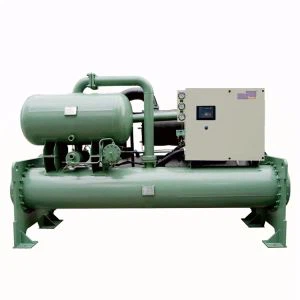
Hey there! As a supplier of explosion-proof chillers, I often get asked about how to clean the evaporator of these specialized machines. It's a crucial part of maintenance, and getting it right can make a huge difference in the performance and lifespan of your chiller. So, let's dive into the process step by step.
First off, why is cleaning the evaporator so important? Well, over time, dirt, debris, and other contaminants can build up on the evaporator coils. This buildup acts as an insulator, reducing the efficiency of heat transfer. When that happens, your chiller has to work harder to achieve the same cooling effect, which not only increases energy consumption but also puts more strain on the system, potentially leading to breakdowns.
Before you start the cleaning process, safety is key. Since we're dealing with explosion-proof chillers, there are strict safety protocols to follow. Make sure the chiller is completely shut down and disconnected from the power source. This might seem obvious, but it's a step you can't skip. Also, wear appropriate personal protective equipment (PPE), like gloves and safety glasses, to protect yourself from any chemicals or debris that might be released during the cleaning.
Now, let's gather the tools and materials you'll need. You'll need a soft brush, preferably one with non-metallic bristles to avoid scratching the coils. A coil cleaner is also essential. You can find these at most hardware stores or order them online. Some people prefer using a mild detergent solution as a homemade alternative, but make sure it's safe for use on the evaporator coils. You'll also need a hose or a pressure washer with a low-pressure setting, and a bucket for mixing the cleaner.
The first step in the cleaning process is to remove any large debris from the evaporator. Use the soft brush to gently sweep away leaves, twigs, or any other visible dirt on the surface of the coils. Be careful not to apply too much pressure, as you don't want to bend or damage the delicate fins.
Once you've removed the large debris, it's time to apply the coil cleaner. Follow the instructions on the cleaner's label carefully. Usually, you'll need to mix it with water in the bucket according to the recommended ratio. Then, using a spray bottle or a pump sprayer, apply the cleaner evenly to the evaporator coils. Make sure to cover the entire surface, including the hard-to-reach areas. Let the cleaner sit for a few minutes to allow it to break down the dirt and grime.
While the cleaner is working its magic, you can take a closer look at the evaporator for any signs of damage. Check for bent fins, leaks, or any other issues that might need attention. If you notice any bent fins, you can use a fin comb to straighten them out gently.
After the cleaner has had enough time to work, it's time to rinse the evaporator. Use the hose or the low-pressure pressure washer to spray water over the coils. Start from the top and work your way down, making sure to remove all the cleaner and loosened dirt. Keep the water pressure low to avoid damaging the fins. You might need to rinse the coils a few times to ensure they're completely clean.
Once you're satisfied that the evaporator is clean, let it dry completely before reconnecting the chiller to the power source. This might take a few hours, depending on the humidity and ventilation in the area. You can speed up the drying process by using a fan to blow air over the coils.
Now that you've cleaned the evaporator, it's a good idea to perform some maintenance checks on the rest of the chiller. Check the refrigerant levels, the compressor, and the electrical connections. If you're not comfortable doing these checks yourself, it's best to call in a professional technician.


Regular cleaning of the evaporator is just one part of maintaining your explosion-proof chiller. It's recommended to clean the evaporator at least once a year, or more often if the chiller is used in a dirty or dusty environment. By following these steps, you can ensure that your chiller operates at peak efficiency, saving you money on energy costs and reducing the risk of breakdowns.
If you're in the market for a new explosion-proof chiller, we've got some great options for you. Check out our Explosion-proof Water Chiller and Explosion Proof Industrial Low Temperature Chiller. These chillers are designed to meet the highest safety standards and provide reliable cooling in hazardous environments.
If you have any questions or need more information about our explosion-proof chillers or the cleaning process, don't hesitate to reach out. We're here to help you make the right choice for your business.
References
- "Chiller Maintenance Guide" - HVAC Industry Association
- "Safety Guidelines for Explosion-proof Equipment" - National Fire Protection Association