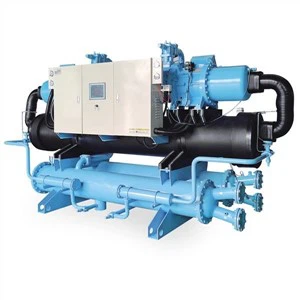
Technological Innovation and Product Highlights
Traditional chillers, while effective to an extent, often fall short in meeting the stringent demands of modern applications. High energy consumption leads to increased operational costs, while noise pollution and frequent maintenance disrupt daily operations.
Furthermore, the chiller boasts an efficient water-cooling system that maximizes heat transfer efficiency while minimizing water consumption. This system, coupled with advanced corrosion-resistant materials, ensures long-term durability and reliability.
Leveraging cutting-edge IoT technology, this system monitors and optimizes chiller performance in real-time. Predictive maintenance alerts, energy-saving modes, and remote diagnostics are just a few of the features that enhance user convenience and operational efficiency.
The performance advantages of the Water Cooled Air Suspension Centrifugal Chiller are palpable. With energy efficiency ratios (EERs) that far surpass traditional chillers, it delivers substantial cost savings on energy bills. The noise reduction is so significant that it transforms work environments into quieter, more productive spaces. And with predictive maintenance, unplanned downtimes are virtually eliminated, reducing overall maintenance costs.
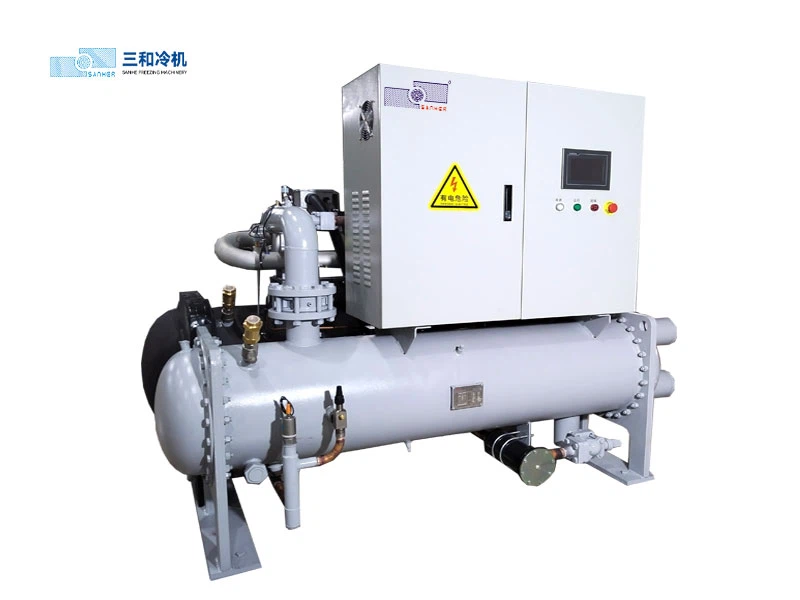
Market Demand and Application Scenarios
In the realm of data centers, where uptime is critical and energy consumption is a major concern, this chiller stands out. Its ability to maintain consistent temperatures while minimizing energy use ensures optimal server performance and reduces operational costs. Similarly, in medical facilities, the need for quiet, reliable refrigeration systems is paramount.
Industrial manufacturing, too, benefits greatly from this innovative chiller. The robust design and high efficiency make it suitable for a wide range of applications, from cooling machinery to maintaining process temperatures. User feedback from these sectors has been overwhelmingly positive, with many citing significant cost savings, improved operational efficiency, and a reduced environmental footprint.