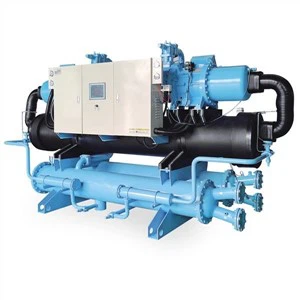
Product Definition and Working Principle
An air source heat pump, essentially, is a high-efficiency device that extracts thermal energy from the ambient air to provide heating or cooling. Unlike traditional heating methods that generate heat directly, air source heat pumps operate on the principle of heat transfer, converting low-temperature thermal energy into high-temperature thermal energy.
The working principle revolves around several key components: the compressor, expansion valve, evaporator, and condenser. The evaporator captures the low-temperature thermal energy from the surrounding air, causing the refrigerant to evaporate and absorb heat. The compressor then compresses the refrigerant vapor into a high-temperature, high-pressure gas, increasing its enthalpy. This hot gas is then released into water or air through the condenser, where it condenses and releases heat, thereby providing heating. The expansion valve regulates the refrigerant flow and pressure, maintaining system stability.
Performance Advantages
Air source heat pumps boast several performance advantages that make them a superior choice over traditional heating methods. Firstly, their high coefficient of performance, typically above 3.0, signifies that for every unit of electrical energy consumed, they can transfer over three units of thermal energy. This results in significant energy savings and reduced operational costs compared to electric heaters or fuel-fired boilers.
Secondly, air source heat pumps offer unparalleled safety and reliability. Since they do not involve any combustion process, the risk of fire or explosion is eliminated.
Moreover, the versatility of air source heat pumps extends their application beyond residential hot water supply to commercial hot water, heating, and cooling systems. This wide range of applicability underscores their potential as a versatile and adaptable technology.
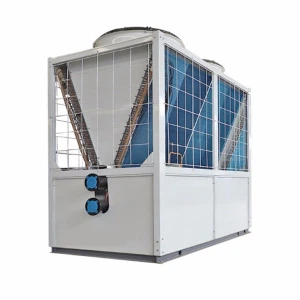
Technological Advancements and Innovations
The air source heat pump industry is witnessing rapid technological advancements, shaping the future of heating and cooling. Key trends include the integration of variable frequency technology, intelligent control systems, and low-temperature operation capabilities.
Variable frequency technology enables precise adjustment of the compressor's operating frequency, optimizing heating/cooling output to match actual demand. This not only enhances system efficiency but also improves operational stability. Intelligent control systems, leveraging IoT and big data analytics, facilitate remote monitoring and smart control of air source heat pumps, enhancing automation and user experience.
Low-temperature operation technology addresses the challenge of maintaining efficient performance in cold climates. By optimizing system design and refrigerant selection, air source heat pumps can now operate stably and efficiently even at low ambient temperatures.