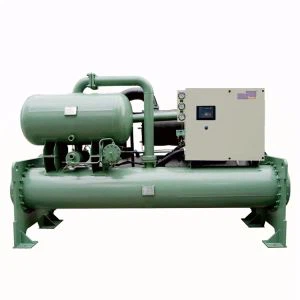
Hey there! As a supplier of air-cooled screw chillers, I've seen my fair share of electrical failures in these machines. It can be a real headache for both us suppliers and our customers. But don't worry, I'm here to share some tips on how to prevent those pesky electrical failures in an air-cooled screw chiller.
First off, let's understand why electrical failures happen in the first place. One of the most common reasons is overheating. When the electrical components in the chiller get too hot, it can cause insulation to break down, leading to short circuits and other issues. Another culprit is poor maintenance. If the chiller isn't properly maintained, dust, dirt, and moisture can accumulate on the electrical parts, causing corrosion and damage.
So, how can we prevent these problems? Let's start with proper installation. When installing an air-cooled screw chiller, it's crucial to follow the manufacturer's guidelines. Make sure the electrical connections are tight and secure. Loose connections can lead to arcing, which can damage the components and even start a fire. Also, ensure that the chiller is installed in a well-ventilated area. Good ventilation helps keep the electrical components cool and reduces the risk of overheating.


Regular maintenance is another key factor. You should schedule routine inspections of the chiller's electrical system. Check for any signs of wear and tear, such as frayed wires or loose terminals. Clean the electrical components regularly to remove dust and dirt. You can use a soft brush or compressed air to do this. It's also a good idea to test the insulation resistance of the electrical circuits periodically. This will help you detect any potential problems before they turn into major failures.
Proper grounding is essential for preventing electrical failures. A good grounding system helps protect the chiller and its users from electrical shocks. It also provides a path for electrical current to flow safely in case of a fault. Make sure the chiller is properly grounded according to the electrical code requirements.
Now, let's talk about the importance of using high-quality electrical components. When it comes to air-cooled screw chillers, you don't want to cut corners on the electrical parts. Cheap or low-quality components are more likely to fail, which can lead to costly repairs and downtime. Invest in high-quality fuses, relays, contactors, and other electrical components. They may cost a bit more upfront, but they'll save you money in the long run by reducing the risk of failures.
Another thing to consider is the environment in which the chiller operates. If the chiller is located in a harsh environment, such as a factory with high levels of dust or moisture, you may need to take extra precautions. For example, you can install protective enclosures around the electrical components to keep them clean and dry. You may also need to use corrosion-resistant materials for the electrical connections.
Let's take a look at some specific applications of air-cooled screw chillers. If you're in the food industry, you might be interested in our Screw Type Chiller for Food Industry. These chillers are designed to meet the strict hygiene and temperature control requirements of the food processing industry. In the machine tool industry, our Air Cooed Chillers for Machine Tool provide reliable cooling for precision machining operations. And for the electronics industry, our Air Cooled Screw Chiller for Electronics Industry help maintain the optimal temperature for sensitive electronic components.
In addition to the above preventive measures, it's a good idea to have a backup power supply. Power outages can cause problems for air-cooled screw chillers, especially if they occur during critical operations. A backup generator or uninterruptible power supply (UPS) can help keep the chiller running during a power outage, preventing damage to the electrical components and ensuring continuous operation.
Training your staff is also important. Make sure your employees who operate and maintain the air-cooled screw chiller are properly trained. They should know how to perform basic maintenance tasks, such as checking the electrical connections and cleaning the components. They should also be aware of the safety procedures and know what to do in case of an electrical emergency.
To sum it up, preventing electrical failures in an air-cooled screw chiller requires a combination of proper installation, regular maintenance, high-quality components, and a suitable operating environment. By following these tips, you can reduce the risk of electrical problems and ensure the reliable operation of your chiller.
If you're in the market for an air-cooled screw chiller or need more information on how to prevent electrical failures, don't hesitate to reach out. We're here to help you find the right solution for your needs and ensure that your chiller runs smoothly for years to come.
References:
- Manufacturer's installation and maintenance manuals for air-cooled screw chillers.
- Electrical safety standards and codes.