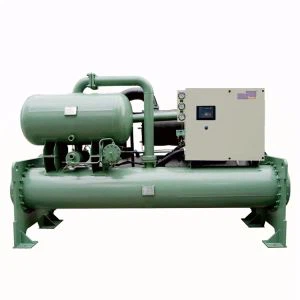
As a supplier of Flooded Water Chillers, I've encountered numerous inquiries regarding the potential issues that can arise from the operation of these systems. One question that frequently surfaces is whether a flooded water chiller can cause the evaporator fins to clog. In this blog post, I'll delve into the mechanics of flooded water chillers, the function of evaporator fins, and explore the relationship between the two to determine if such a clogging scenario is possible.
Understanding Flooded Water Chillers
Before we can assess the impact of a flooded water chiller on evaporator fins, it's essential to understand how these chillers operate. A Flooded Water Chiller is a type of refrigeration system that uses a flooded evaporator. In a flooded evaporator, the refrigerant completely fills the shell side of the heat exchanger, ensuring maximum heat transfer efficiency.
The basic working principle of a flooded water chiller involves the following steps:


- Compression: The refrigerant gas is compressed by the compressor, increasing its pressure and temperature.
- Condensation: The high-pressure, high-temperature refrigerant gas flows through the condenser, where it releases heat to the cooling water or air and condenses into a liquid.
- Expansion: The liquid refrigerant passes through an expansion valve, which reduces its pressure and temperature.
- Evaporation: The low-pressure, low-temperature refrigerant enters the flooded evaporator, where it absorbs heat from the chilled water flowing through the tubes. As a result, the refrigerant evaporates back into a gas, and the chilled water is cooled.
- Return to Compression: The refrigerant gas returns to the compressor to repeat the cycle.
The Role of Evaporator Fins
Evaporator fins are an integral part of the heat transfer process in a water chiller. They are thin, metal strips attached to the evaporator tubes, which significantly increase the surface area available for heat transfer. By increasing the surface area, the fins enhance the efficiency of heat exchange between the refrigerant inside the tubes and the air or water flowing over them.
The primary functions of evaporator fins include:
- Enhanced Heat Transfer: The increased surface area provided by the fins allows for more efficient heat transfer, improving the overall performance of the chiller.
- Improved Energy Efficiency: By facilitating better heat transfer, the fins help reduce the energy consumption of the chiller, leading to cost savings.
- Compact Design: The use of fins enables the design of more compact evaporators, which can be beneficial in applications where space is limited.
Can a Flooded Water Chiller Cause Evaporator Fin Clogging?
Now, let's address the central question: Can a flooded water chiller cause the evaporator fins to clog? The answer is not straightforward and depends on several factors.
Potential Causes of Clogging
- Contaminants in the Refrigerant: If the refrigerant contains contaminants such as dirt, debris, or moisture, these particles can accumulate on the evaporator fins over time. In a flooded water chiller, the refrigerant is in direct contact with the evaporator tubes and fins, increasing the likelihood of contamination.
- Poor Water Quality: In water-cooled flooded chillers, the quality of the cooling water can also impact the condition of the evaporator fins. If the water contains high levels of minerals, sediment, or biological matter, it can lead to the formation of scale or biofilm on the fins, reducing their efficiency and potentially causing clogging.
- Lack of Maintenance: Regular maintenance is crucial for the proper operation of any water chiller. Neglecting to clean the evaporator fins, change the filters, or perform other routine maintenance tasks can allow dirt and debris to build up, increasing the risk of clogging.
Preventing Evaporator Fin Clogging
To minimize the risk of evaporator fin clogging in a flooded water chiller, the following preventive measures can be taken:
- Use High-Quality Refrigerant: Ensure that the refrigerant used in the chiller is of high quality and free from contaminants. Regularly monitor the refrigerant levels and quality to detect any issues early.
- Maintain Proper Water Quality: In water-cooled systems, implement a water treatment program to control the quality of the cooling water. This may include filtration, chemical treatment, and regular water testing to prevent the formation of scale and biofilm.
- Perform Regular Maintenance: Establish a comprehensive maintenance schedule for the chiller, including cleaning the evaporator fins, changing the filters, and inspecting the system for any signs of wear or damage. Regular maintenance can help identify and address potential issues before they escalate.
Conclusion
In conclusion, while a flooded water chiller itself does not directly cause evaporator fin clogging, certain factors associated with its operation can contribute to this problem. Contaminants in the refrigerant, poor water quality, and lack of maintenance are the primary culprits that can lead to the accumulation of dirt and debris on the evaporator fins, reducing their efficiency and potentially causing clogging.
As a supplier of Flooded Type Screw Chiller and Flooded Water Chillers, we understand the importance of proper system design, installation, and maintenance to ensure optimal performance and longevity. By following the preventive measures outlined in this blog post, you can minimize the risk of evaporator fin clogging and keep your chiller running smoothly.
If you're considering purchasing a flooded water chiller or need assistance with the maintenance and operation of your existing system, we're here to help. Our team of experts can provide you with the guidance and support you need to make an informed decision and ensure the reliable performance of your chiller. Contact us today to learn more about our products and services and to discuss your specific requirements.
References
- ASHRAE Handbook of Refrigeration. American Society of Heating, Refrigerating and Air-Conditioning Engineers.
- Refrigeration and Air Conditioning Technology. Eugene Silberstein, William Whitman, and John Tomczyk.